© Passage
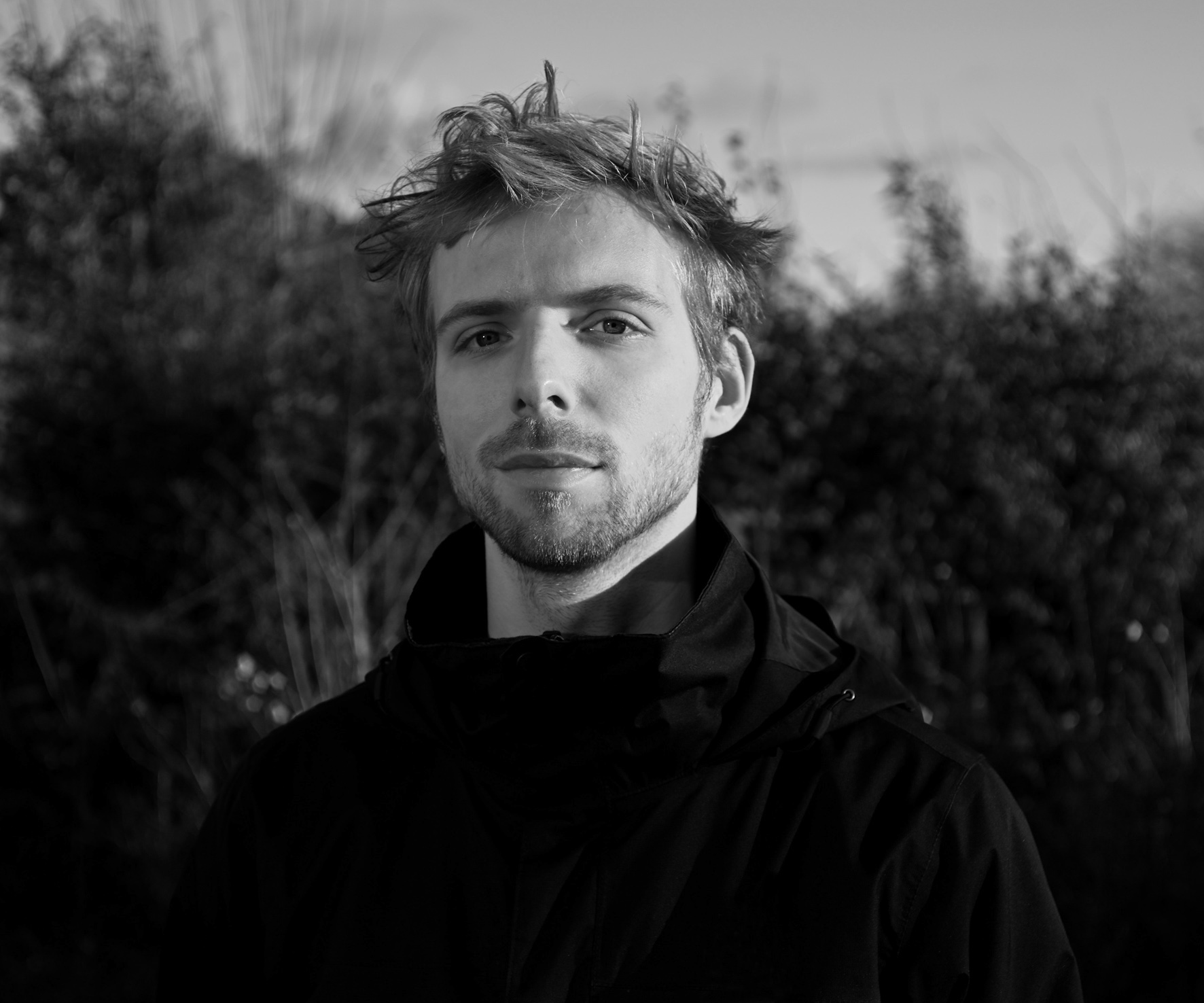
Bert Villa
Bert Villa is a Ghent-based phenomenological artist-architect. With his installations, photography and architectural structures, Villa engages with the codes of (human-made) environments and our perception of those environments. Often departing from a specific location and the narratives it embodies, Villa engages with the highly recognisable phenomena that populate our surroundings. By isolating or recontextualising them, he questions the way our environment is culturally, historically and socially constructed. Bert Villa builds contextual installations: assembled structures triggered by common (architectural) elements that abstract or reframe elements of real environments in order to generate an alternative reality.
Territory, Infrastructure, Observation
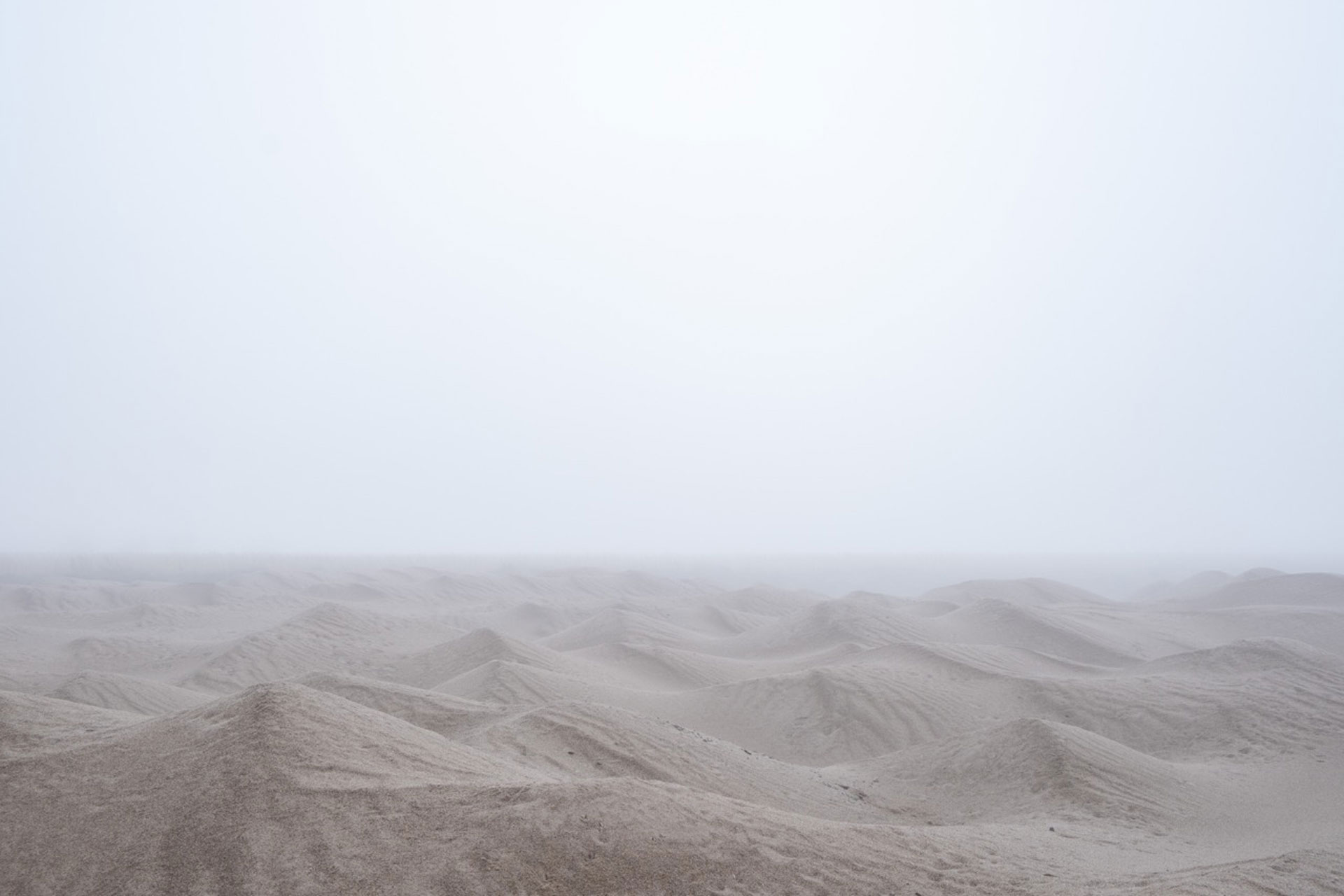
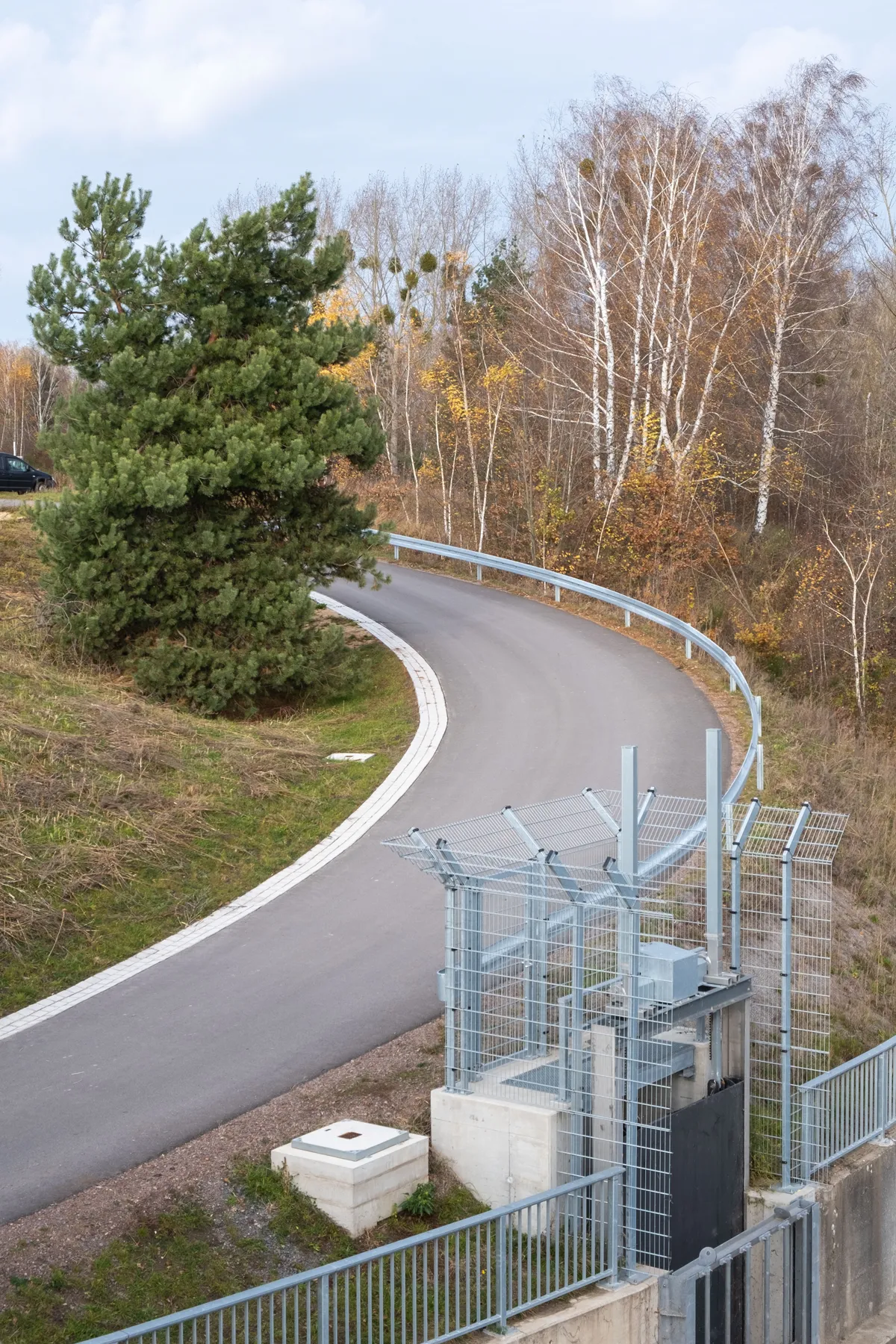
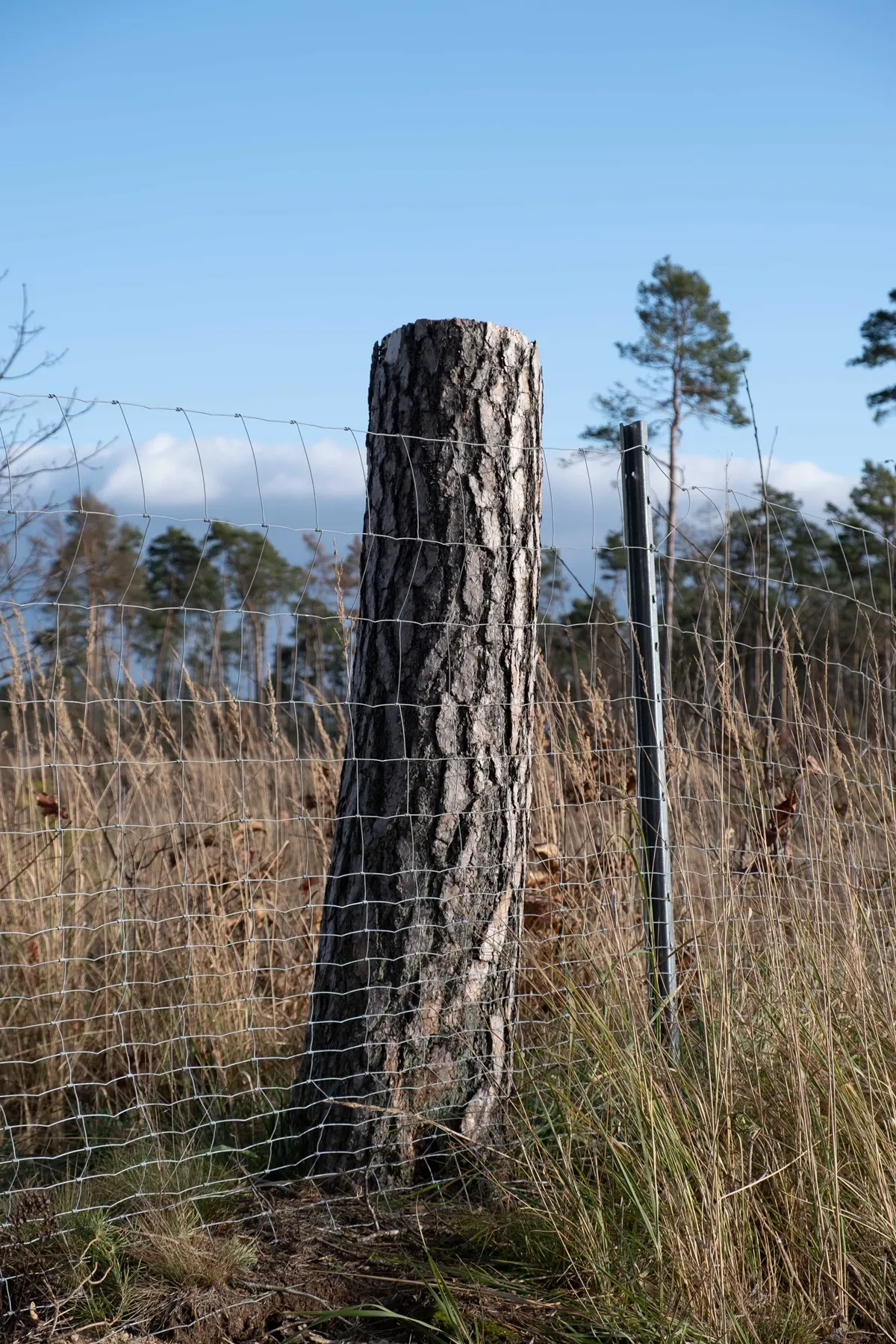
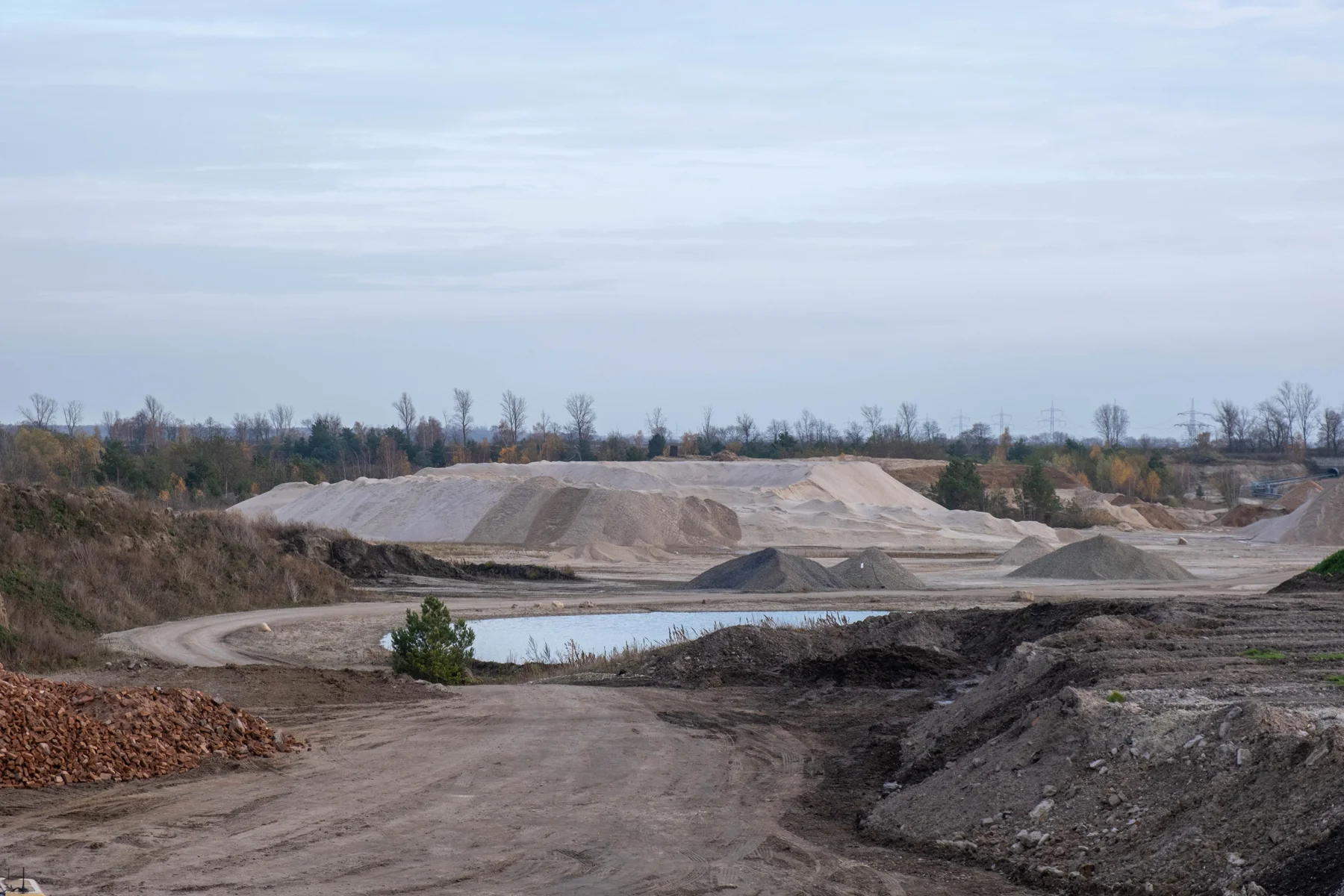
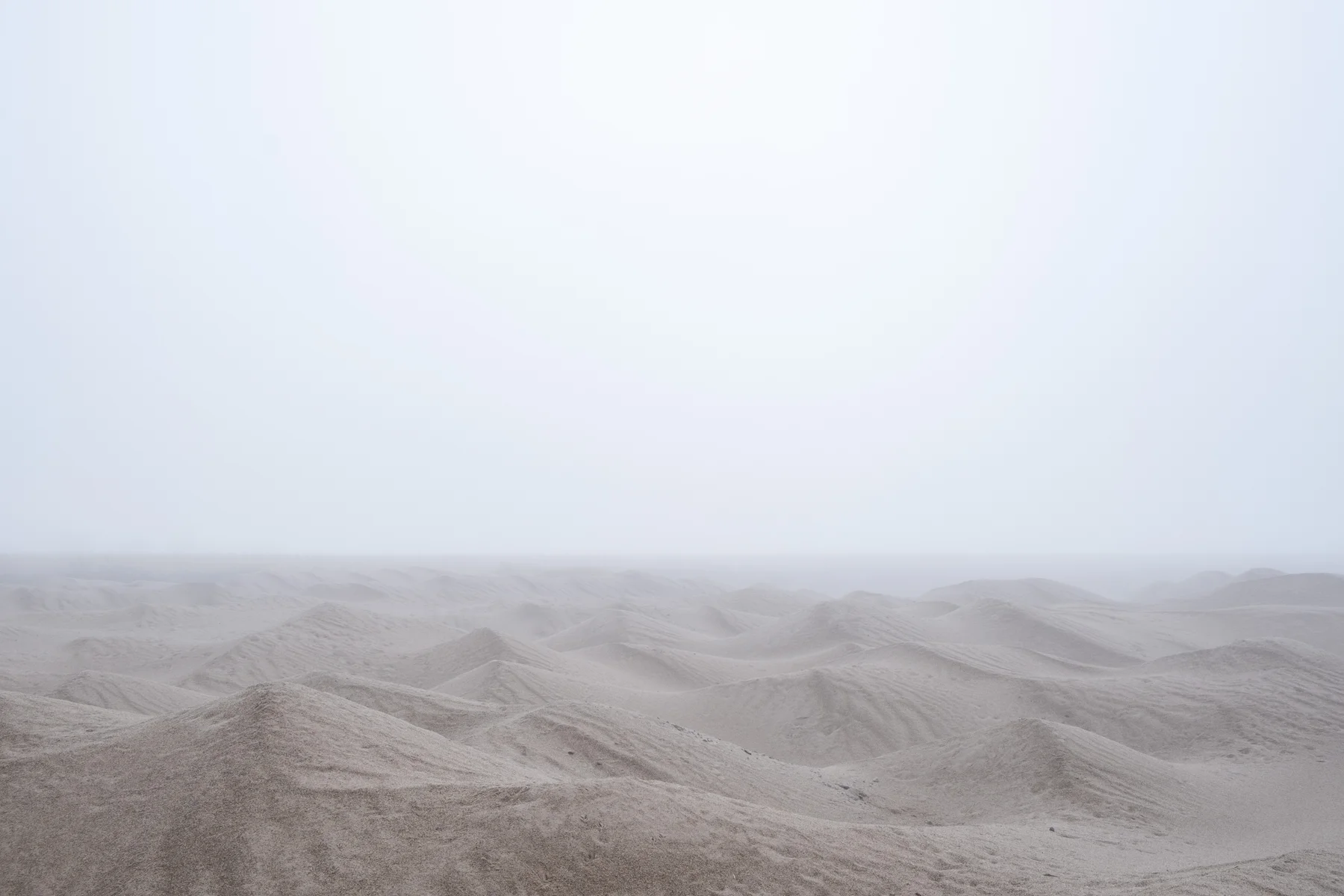
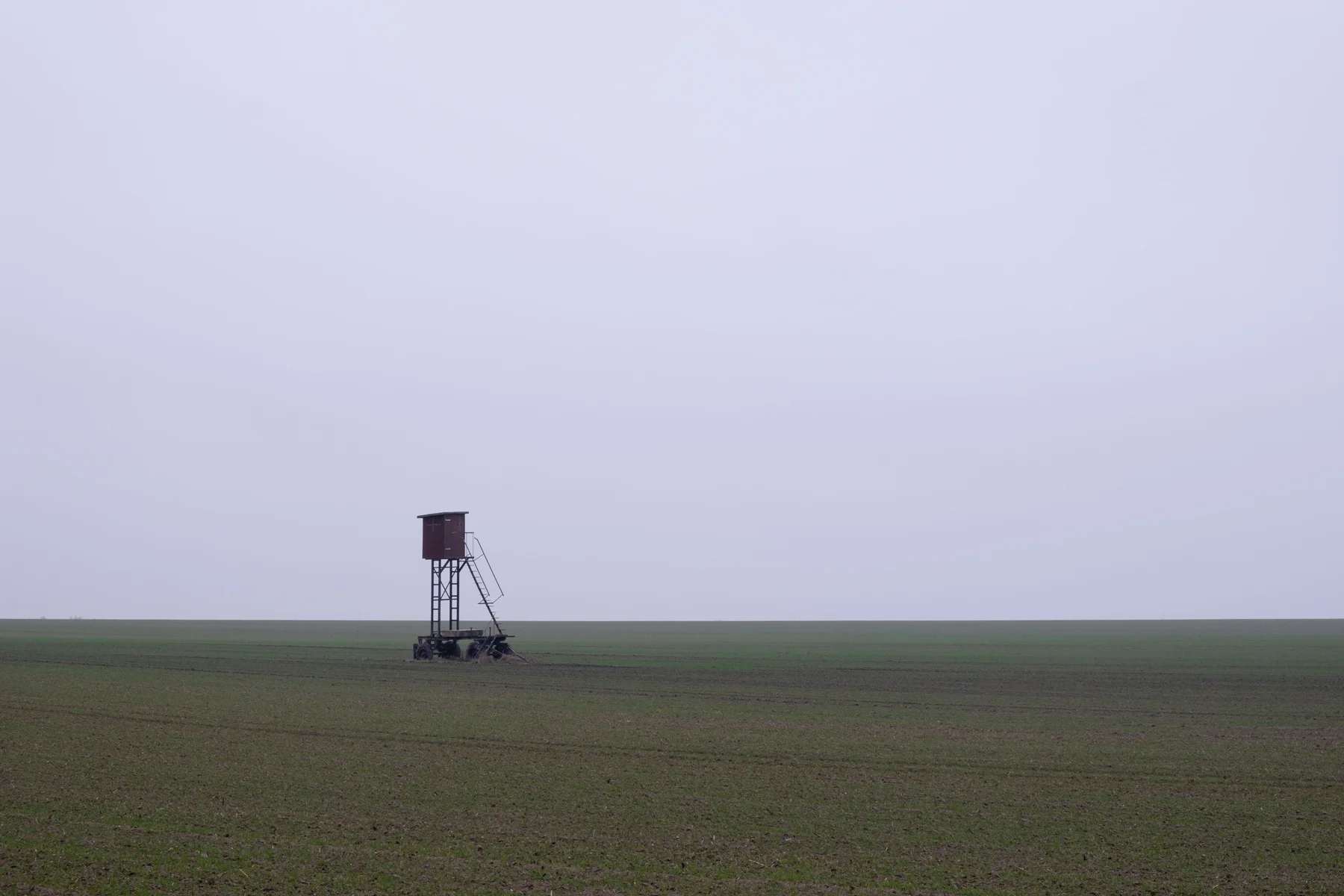
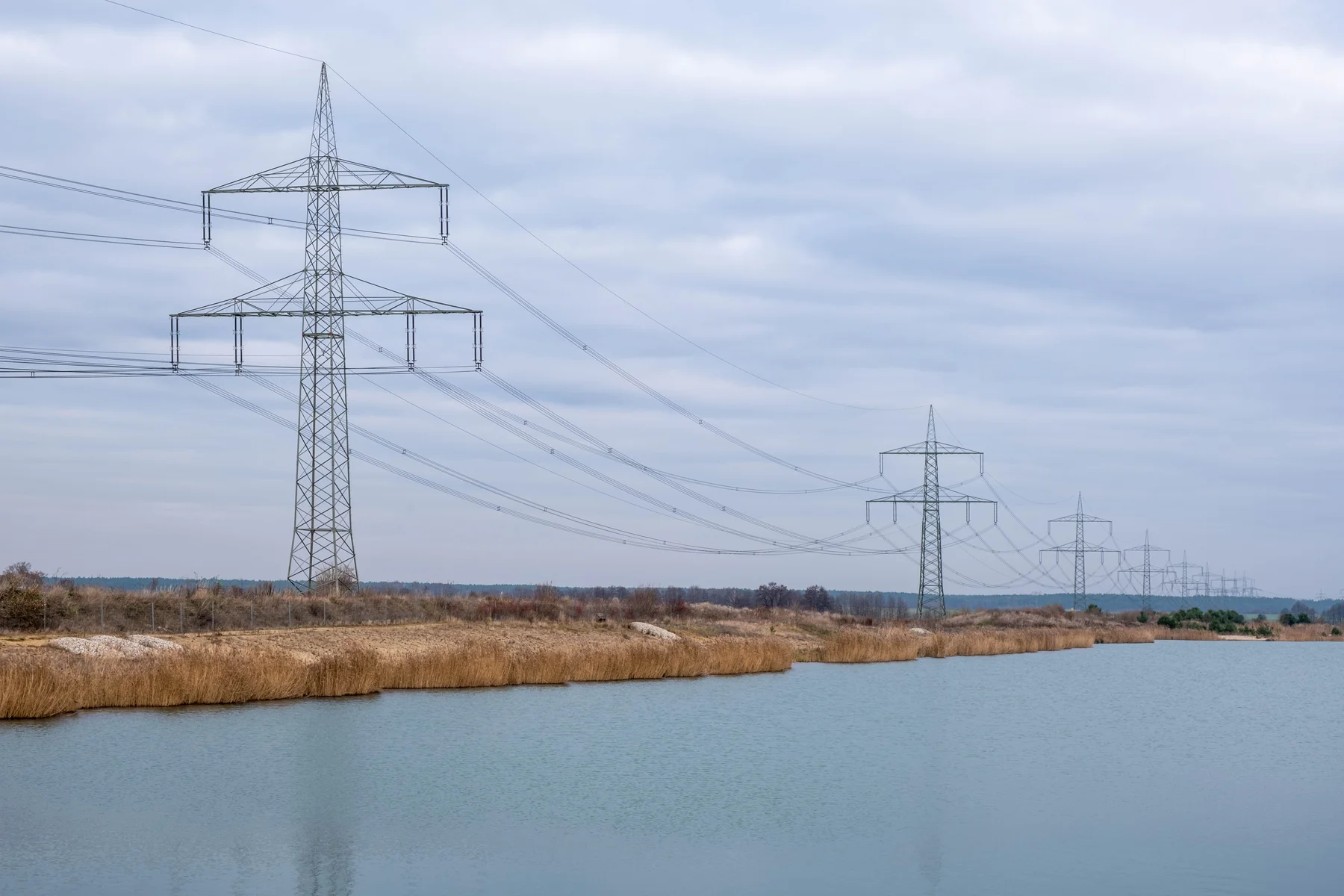
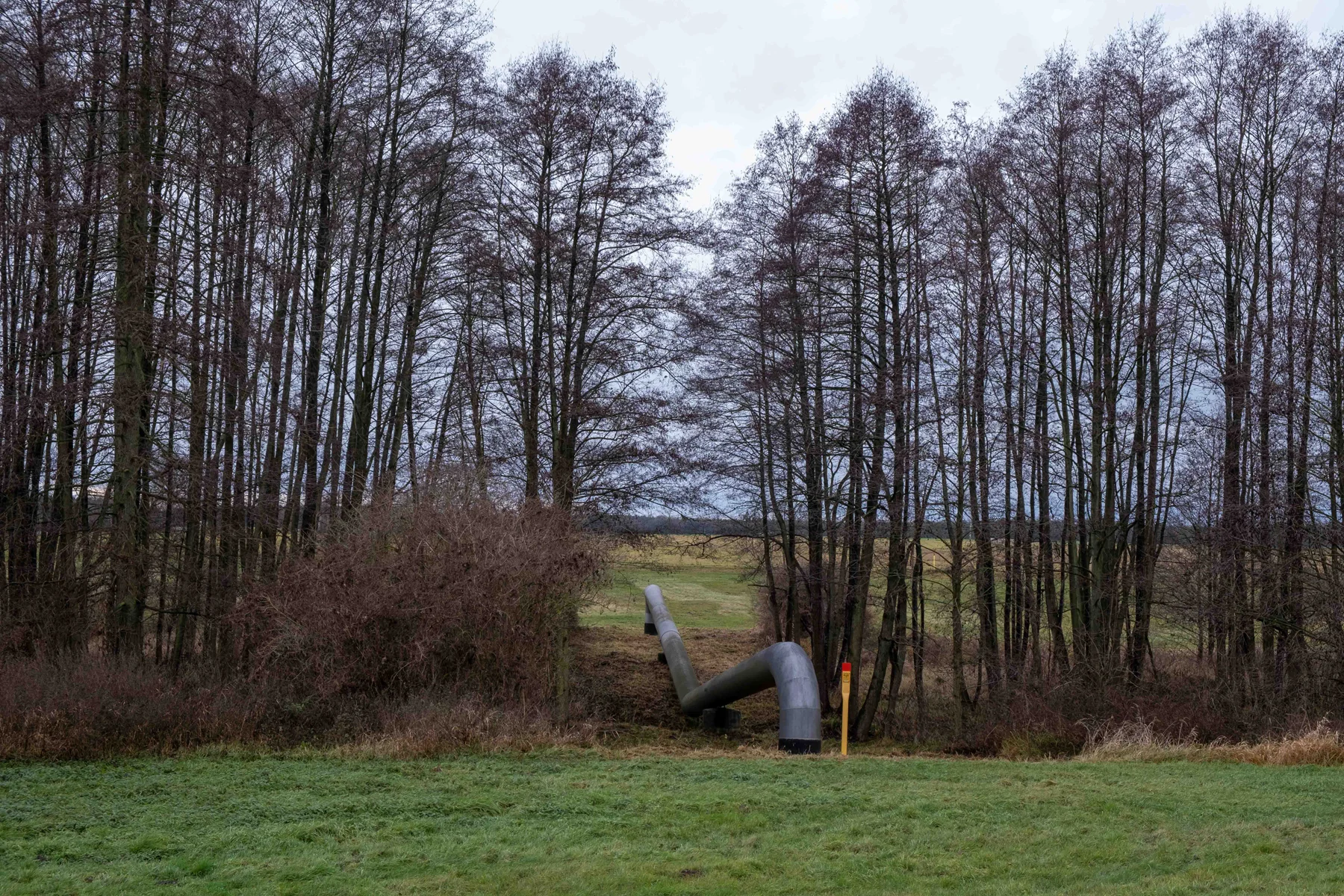
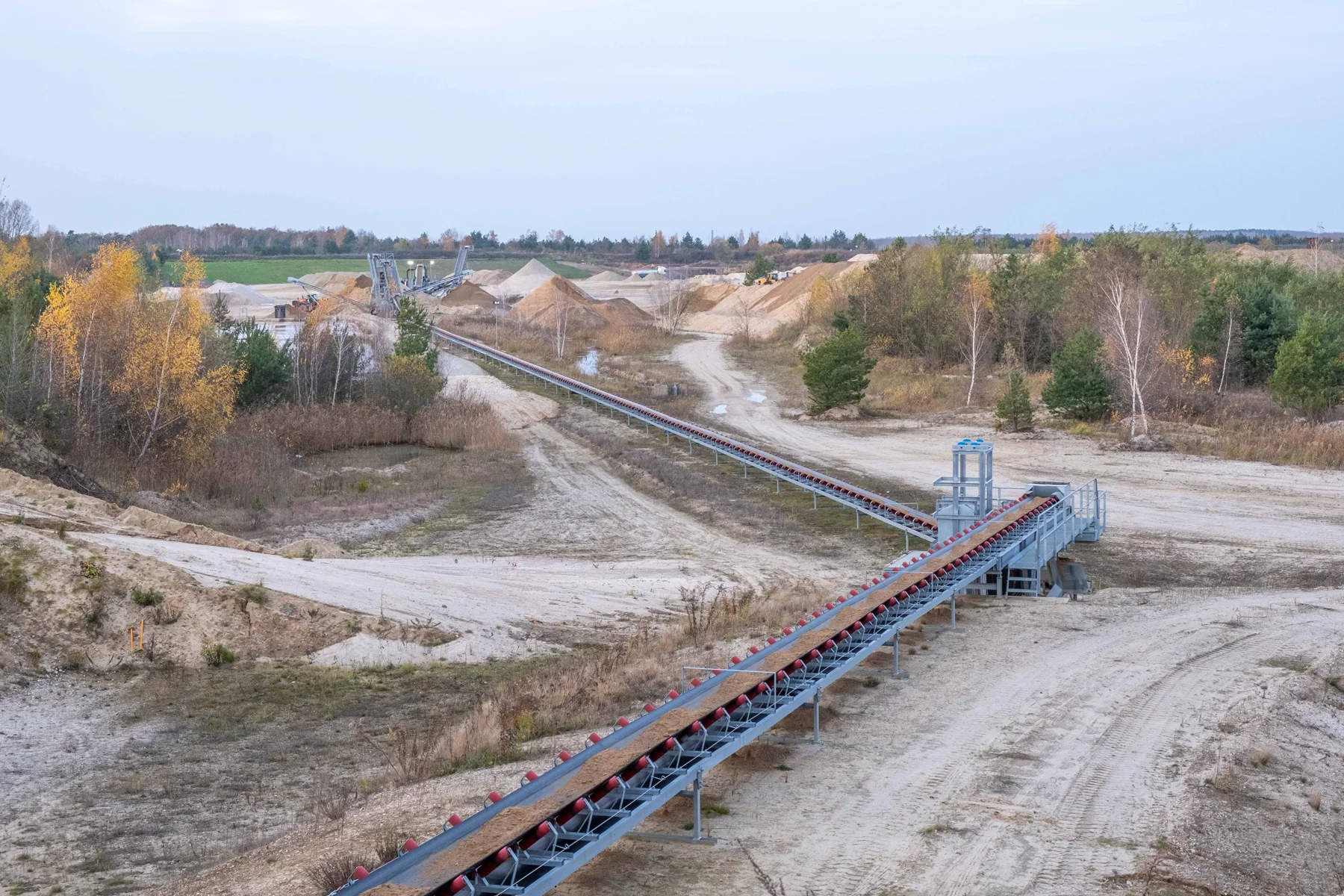
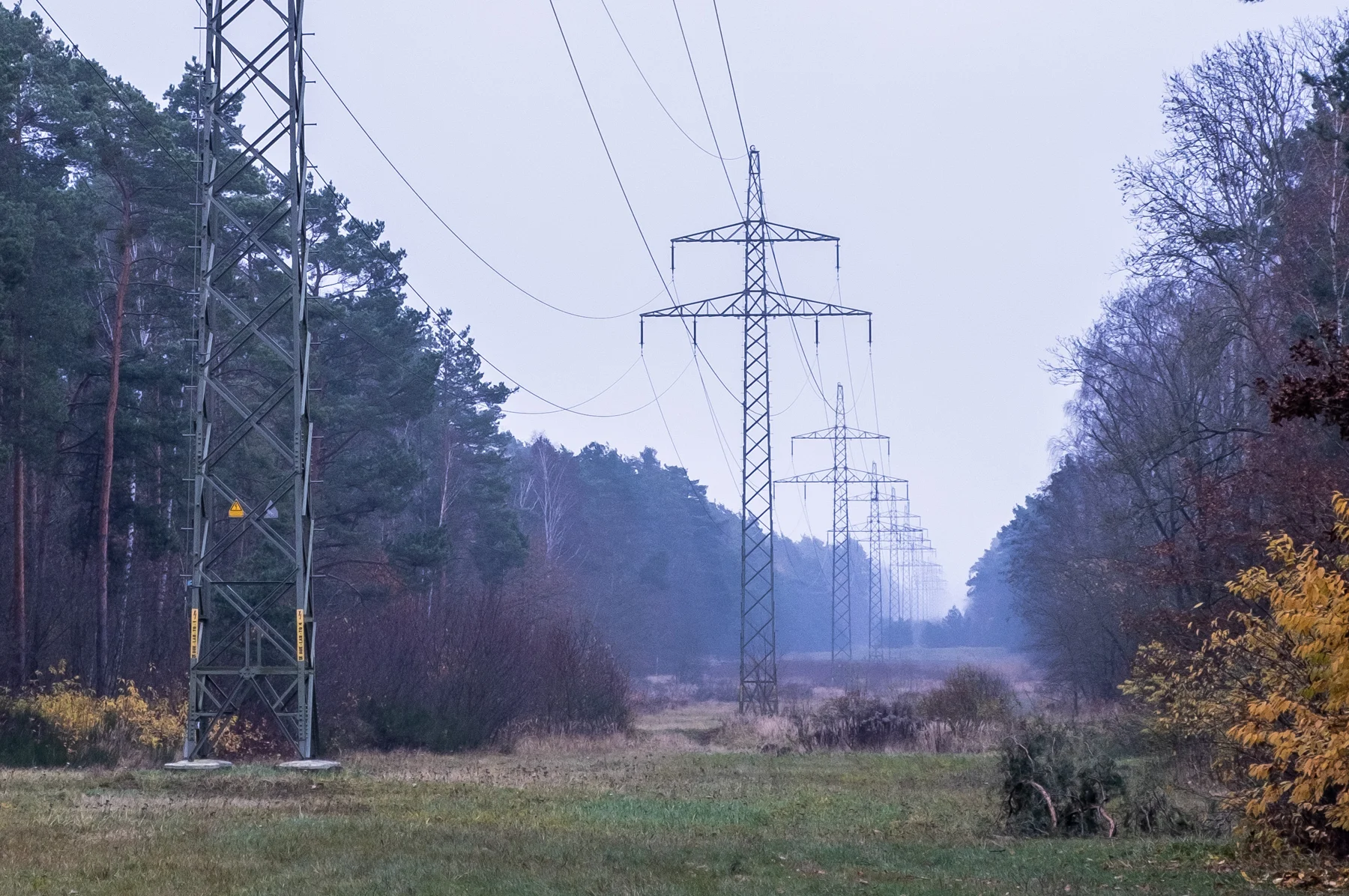
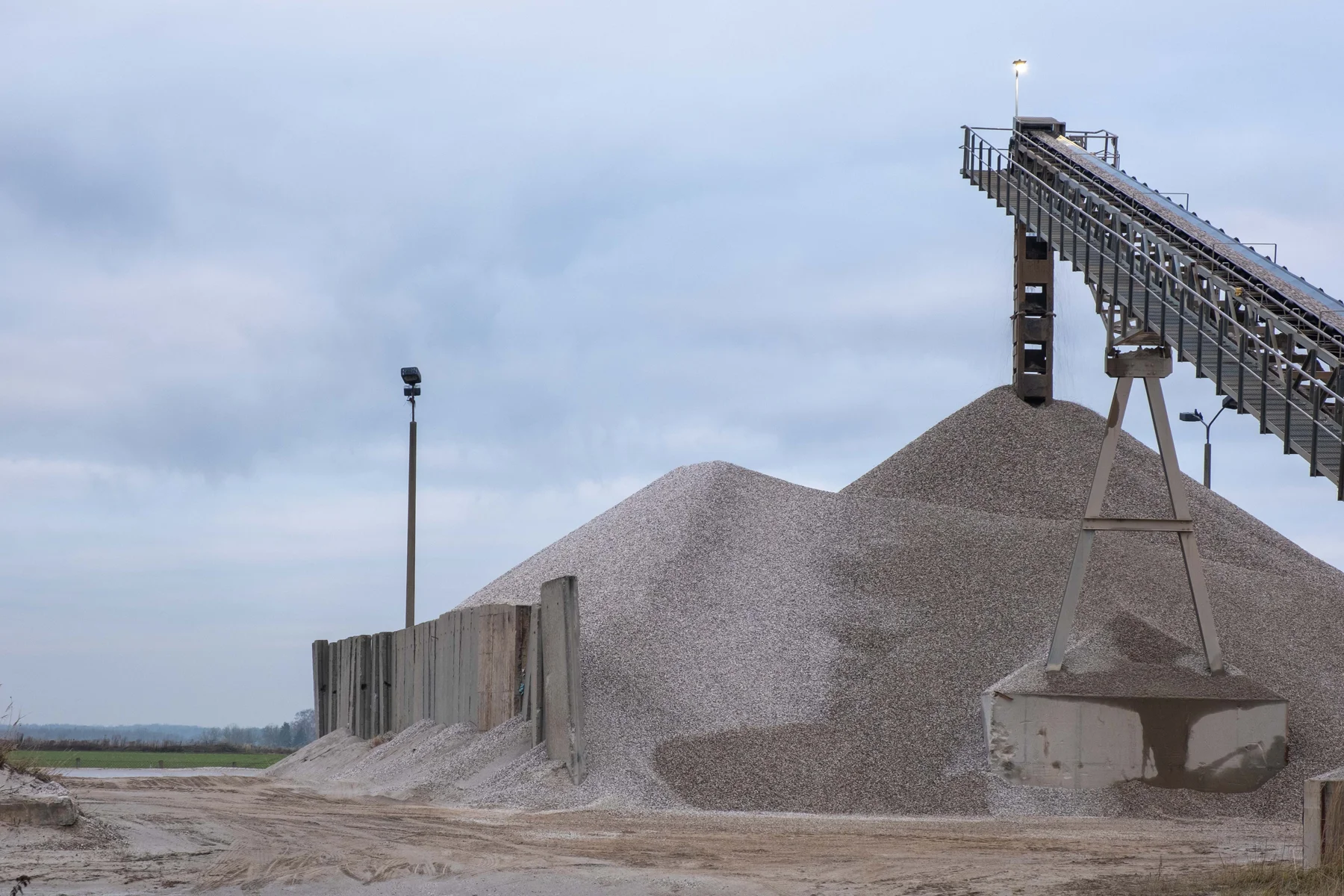
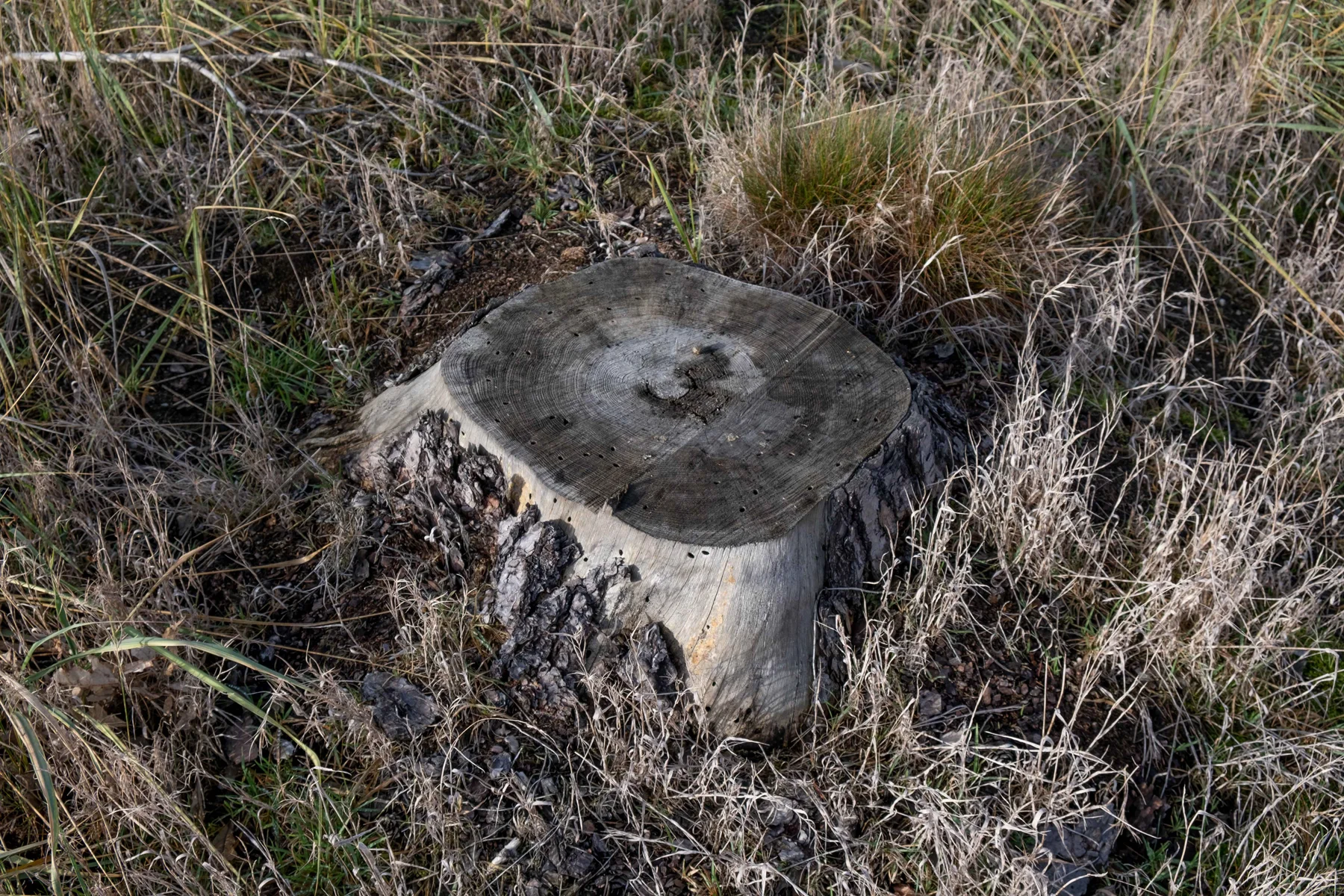
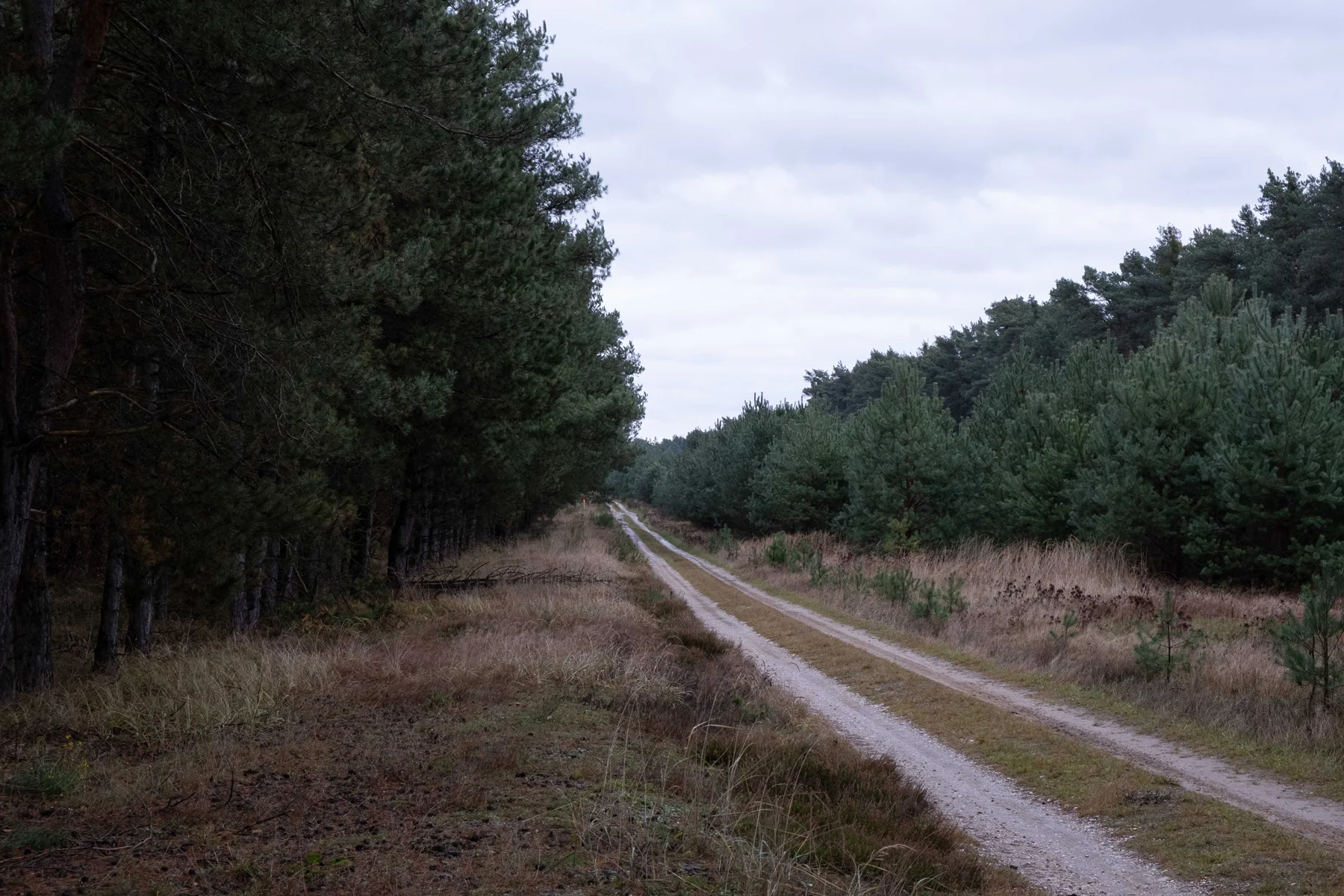
At the beginning of the residency, Bert Villa took a trip into the landscape of the Dübener Heide. The first photograph from this excursion captures a misty, almost moon-like atmosphere. Through this experience, the first traces of the region’s extensive sand mining and glass production became visible. What initially appeared to be a modest rural landscape later revealed itself as an important source of material that has supported the development of nearby cities such as Berlin, Leipzig, and Dresden. During the following weeks, daily drives through the region turned into a process of gradual discovery. Encounters with local historians and representatives of the Naturpark helped to uncover layers of history and transformation within the landscape. Industrial traces, retail infrastructures, and the effects of economic change, especially in nearby towns affected by depopulation after German reunification, became part of Bert Villa’s growing vocabulary of observations. The artist’s exploration often followed infrastructural lines across the territory, from roads and pipelines to electricity networks, revealing how these systems quietly organize and structure the landscape. At the same time, natural processes such as changing forestry practices and the activity of wildlife, continue to reshape the region in unexpected ways. Through these observations and conversations, the residency evolved into an open-ended investigation of the relationships between landscape, infrastructure, and human activity. What began as a seemingly quiet environment gradually unfolded as a complex territory where industry, ecology, and everyday life intersect.
In search of a Landscape
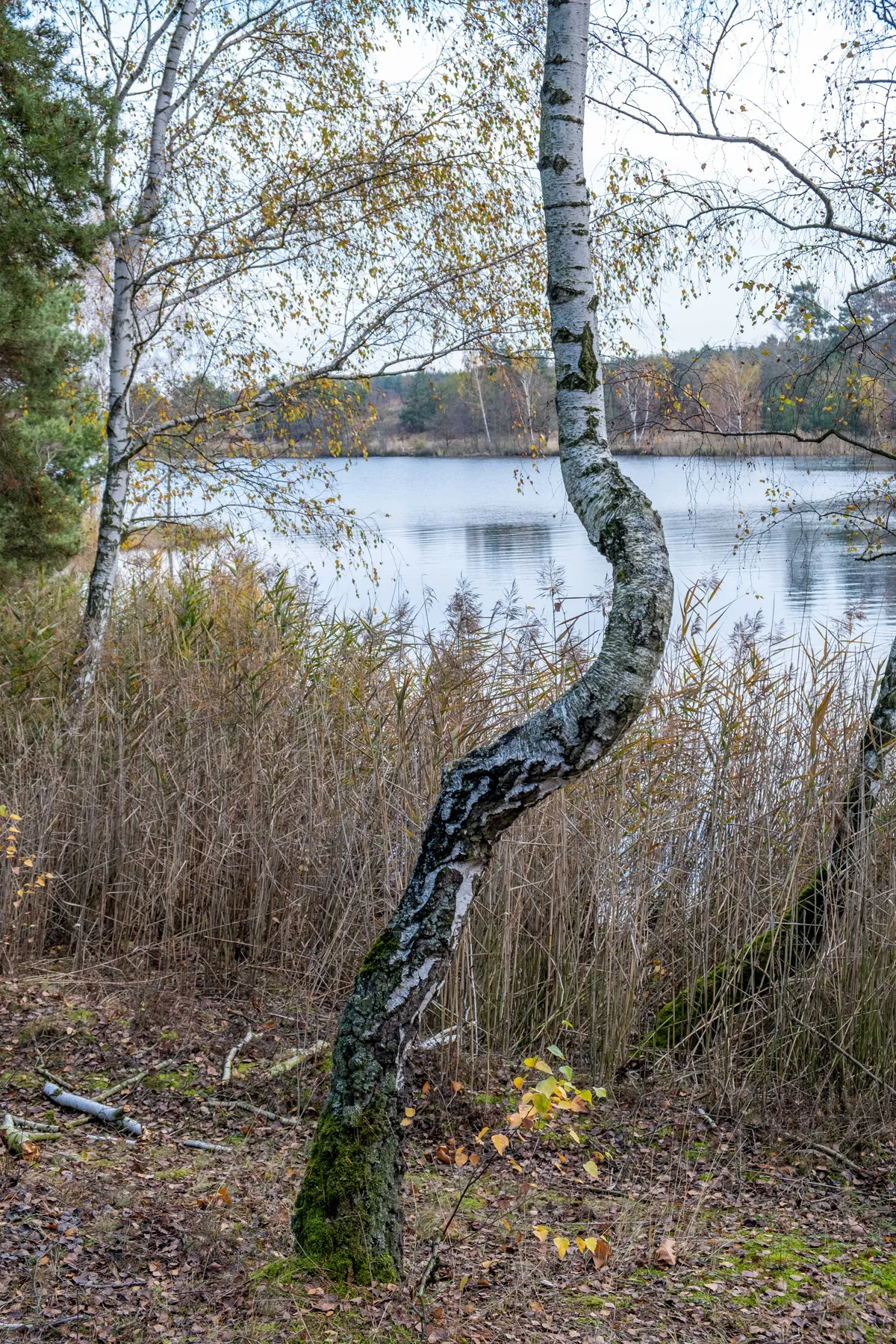
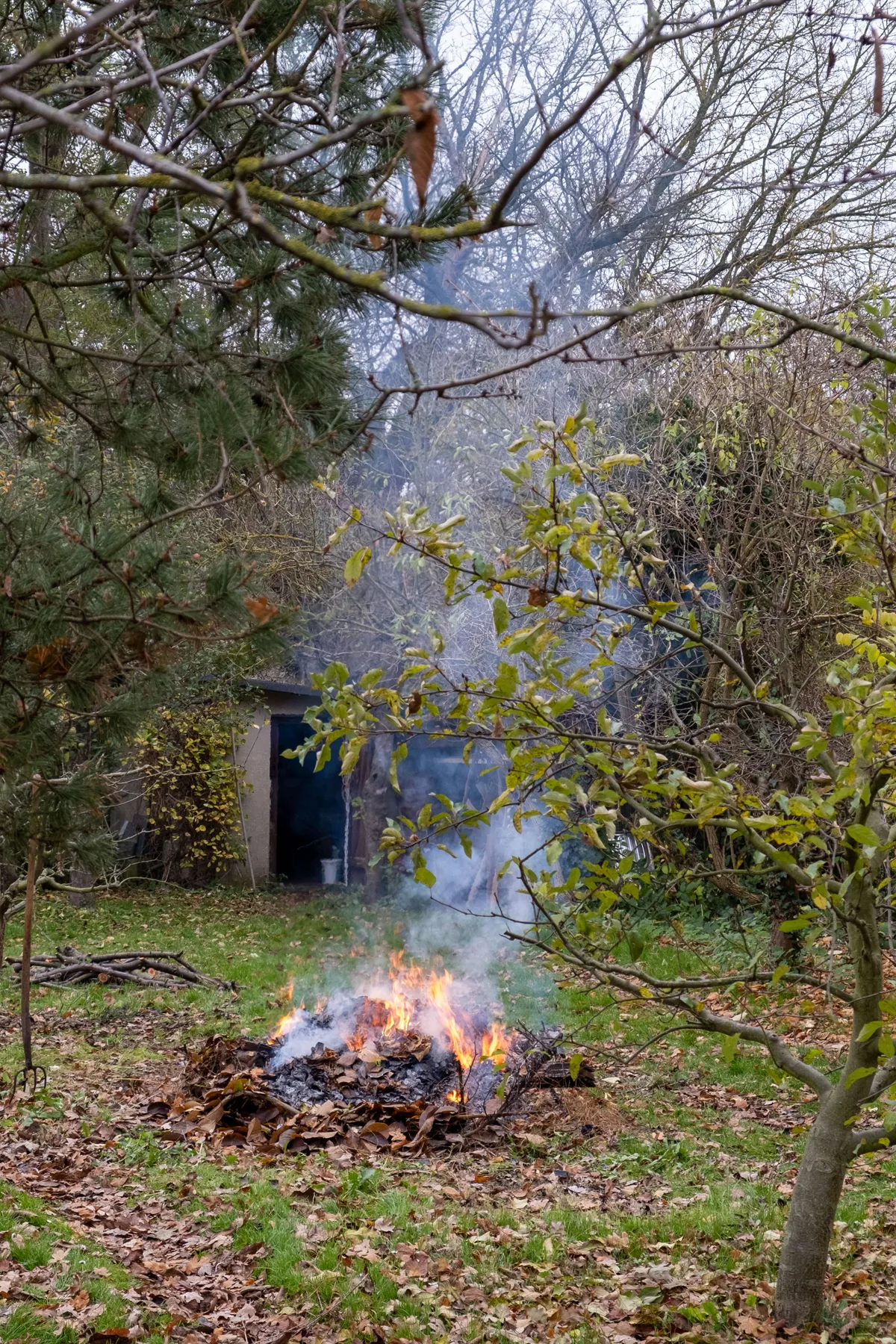
“In Search of a Landscape” is a short film that blends the artist’s experience and work philosophy with a contemplative look at the territory around Hofgestüt Bleesern – a rural area in north-central Germany.