A passage connects. It is a transition between two regions, thus a place and a path at the same time. A passage is a temporary state. It is not permanent.
Programme
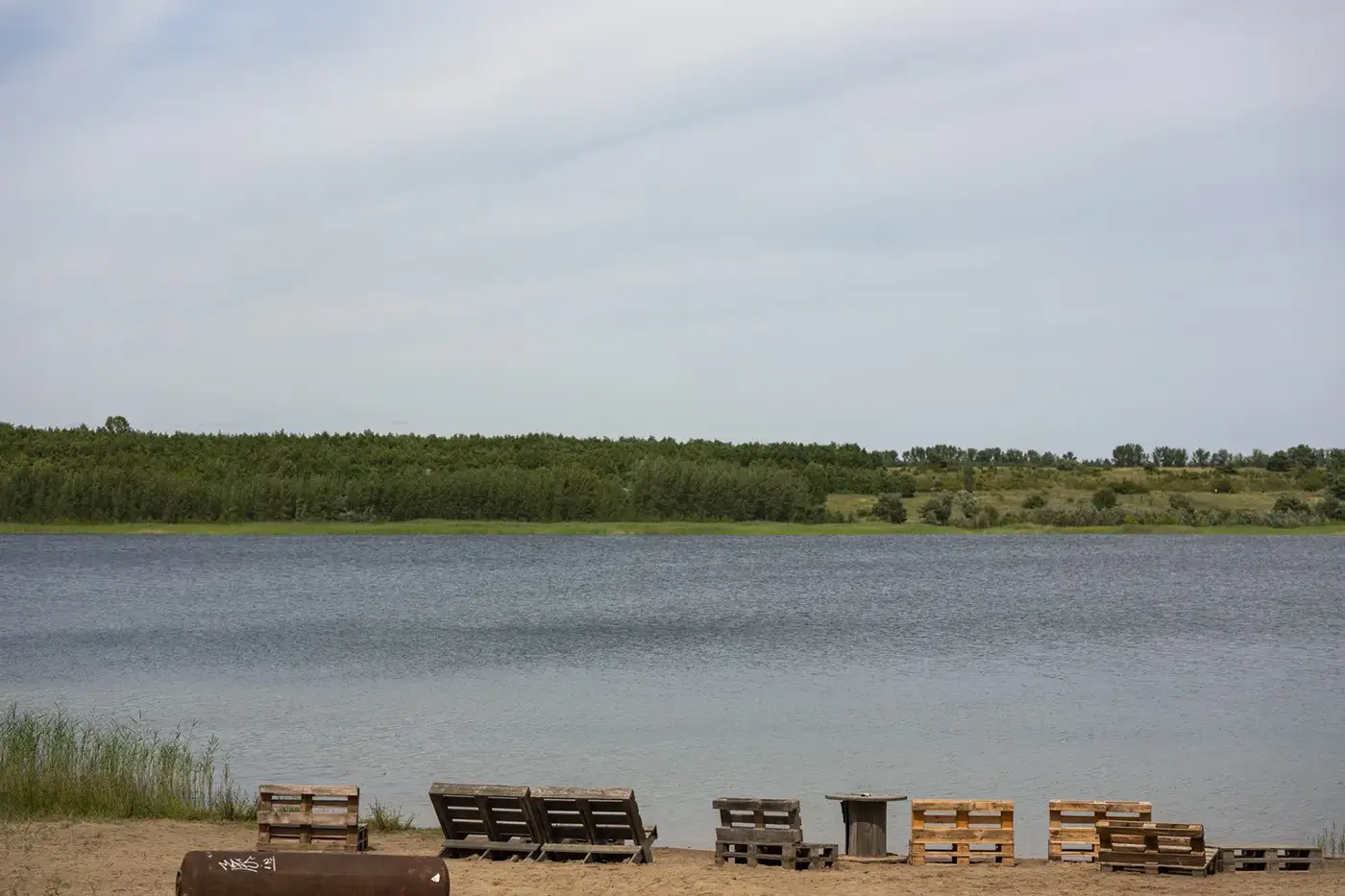
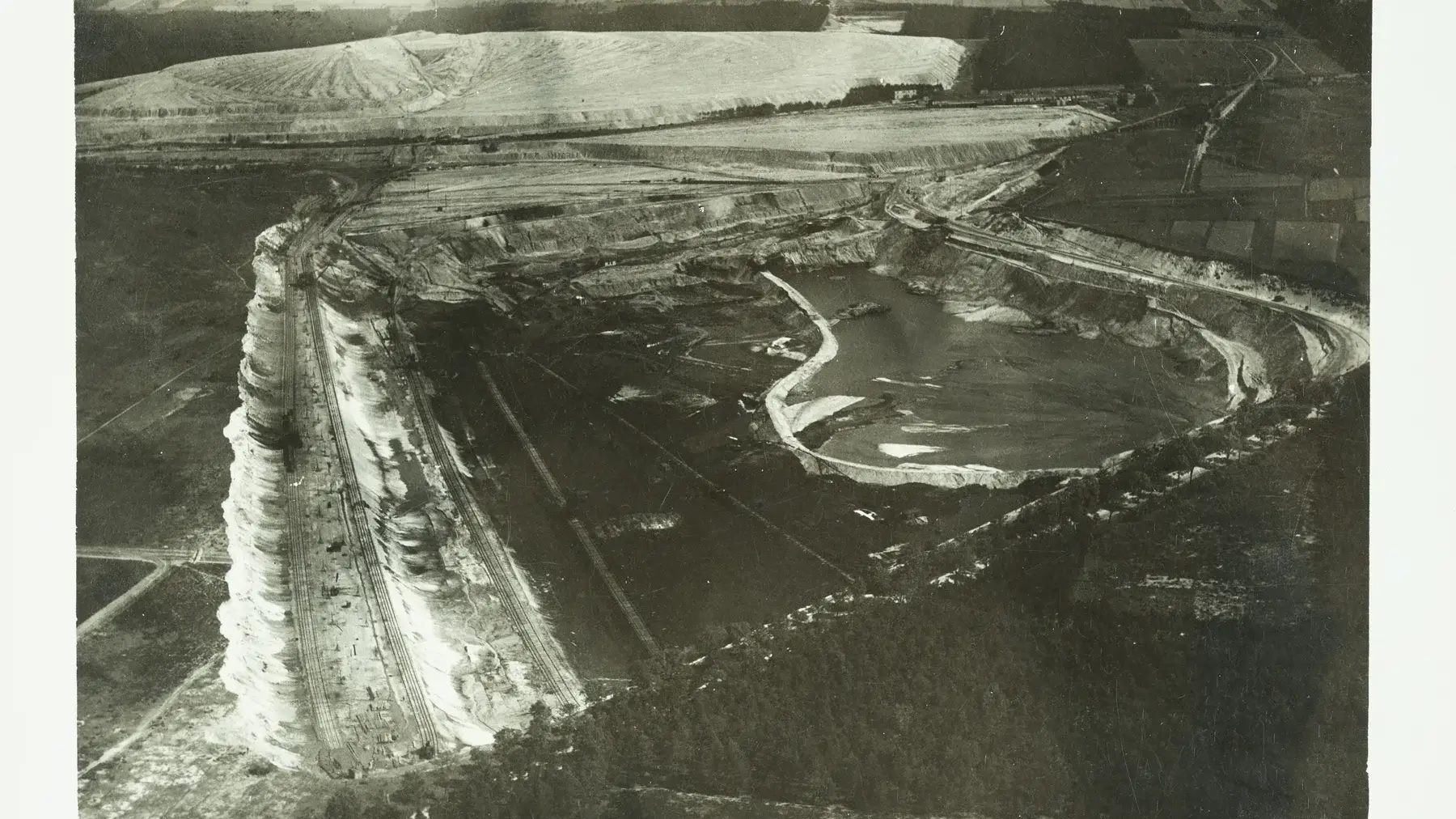
Through the Passage Art-Residency-Programme, Polygona Kunstverein e.V. offers temporary residencies for artists working in photography and film in the Dübener Heide and the district of Wittenberg. The region brings together diverse landscapes, layers of history and social changes. We wish to share this diversity and encourage artistic exploration through specific themes. The programme invites artists to engage with the transformations taking place in the region and to address issues of structural change, as well as social, historical and landscape-related themes.
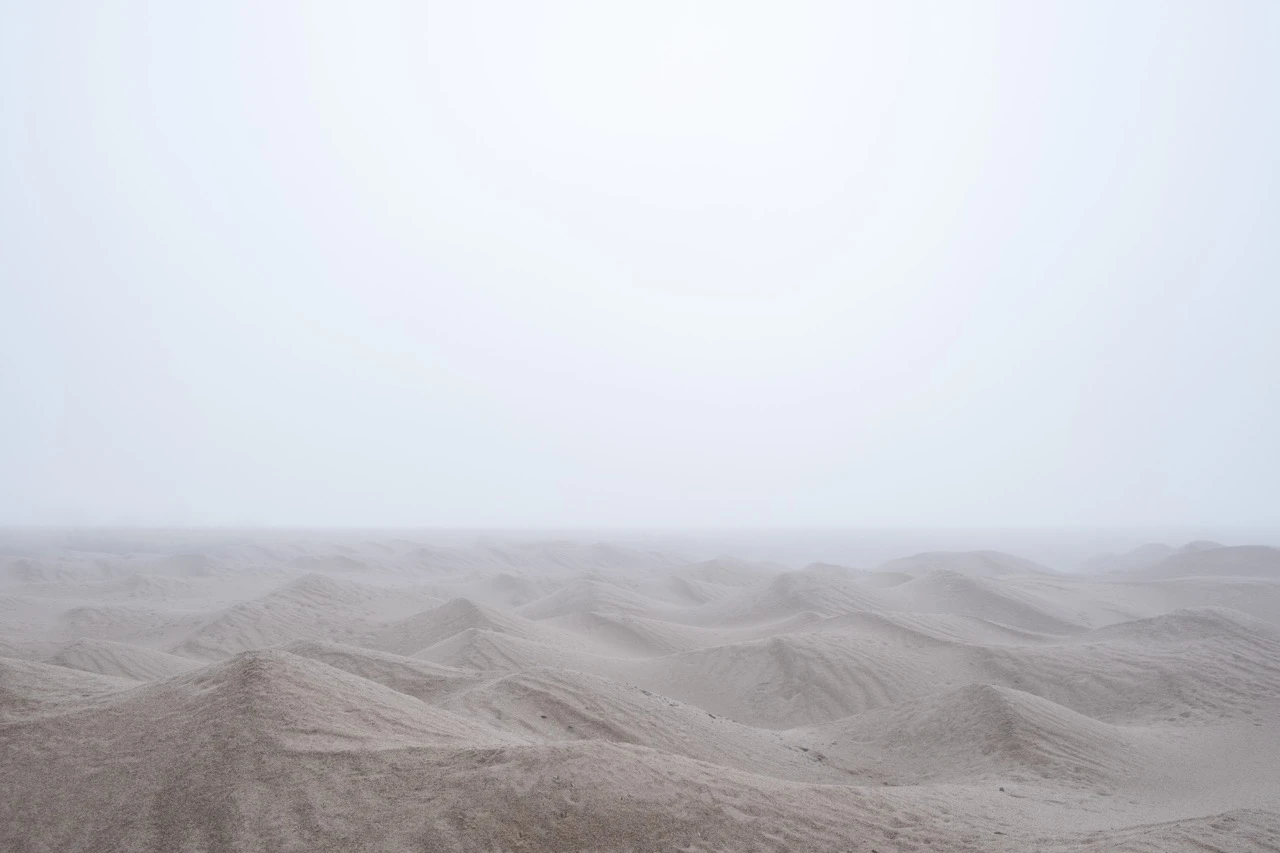
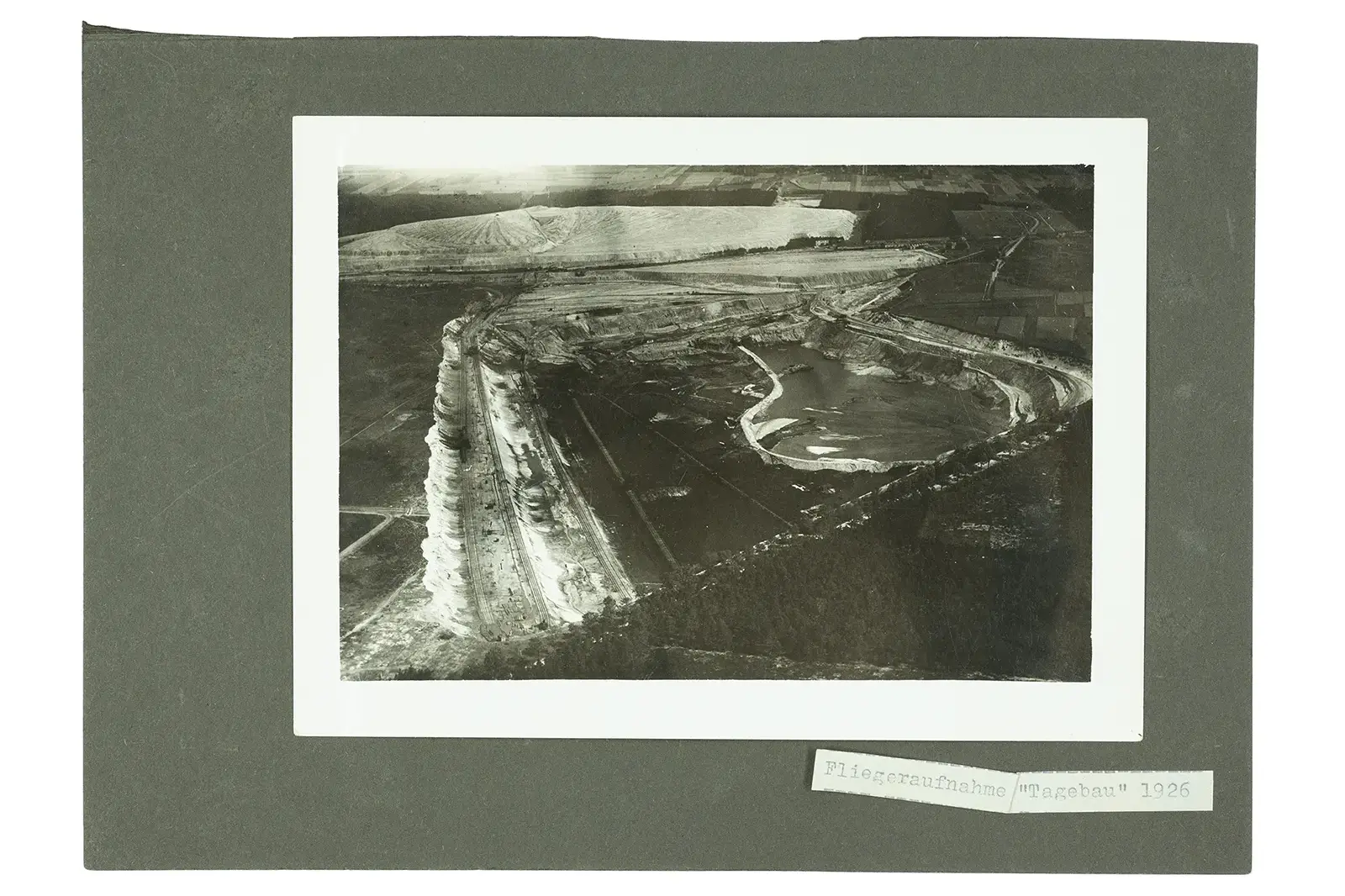
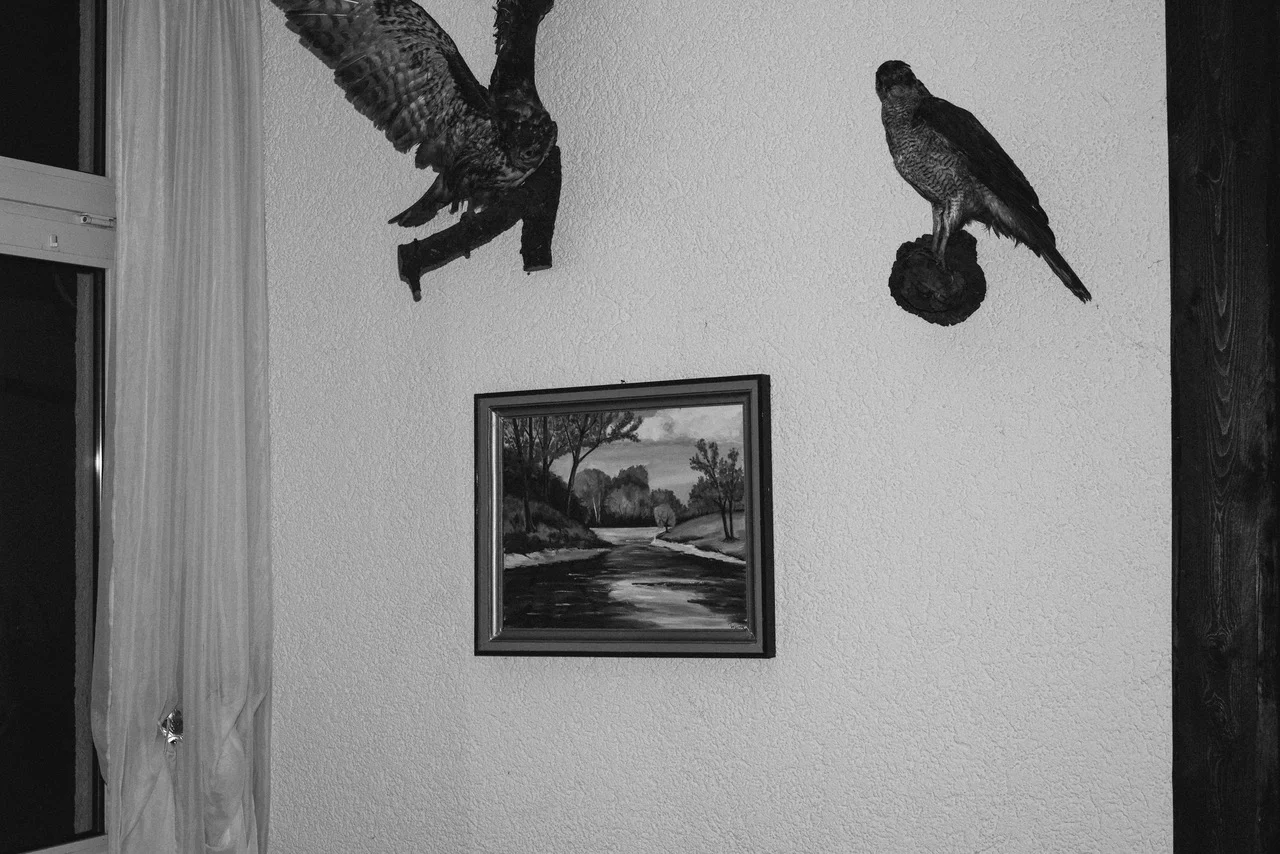
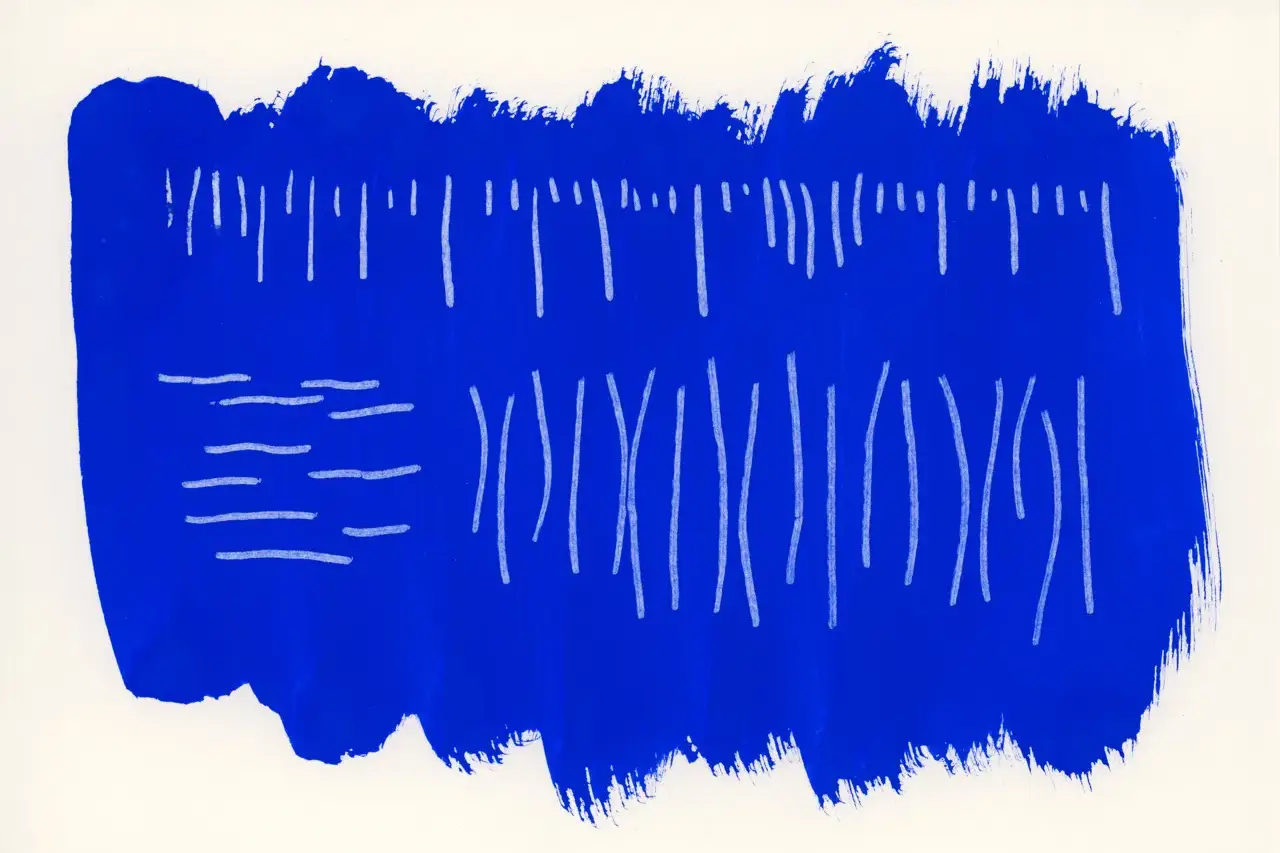
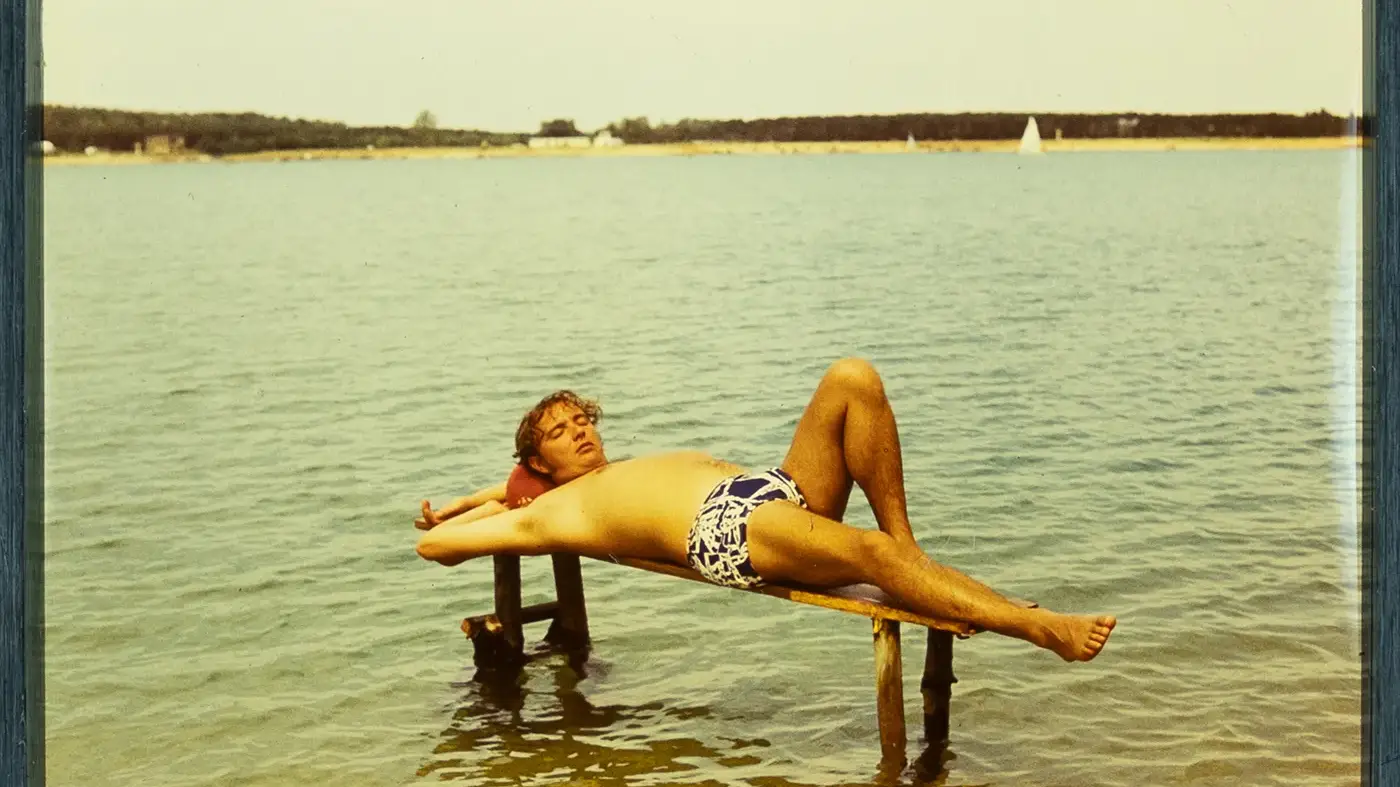
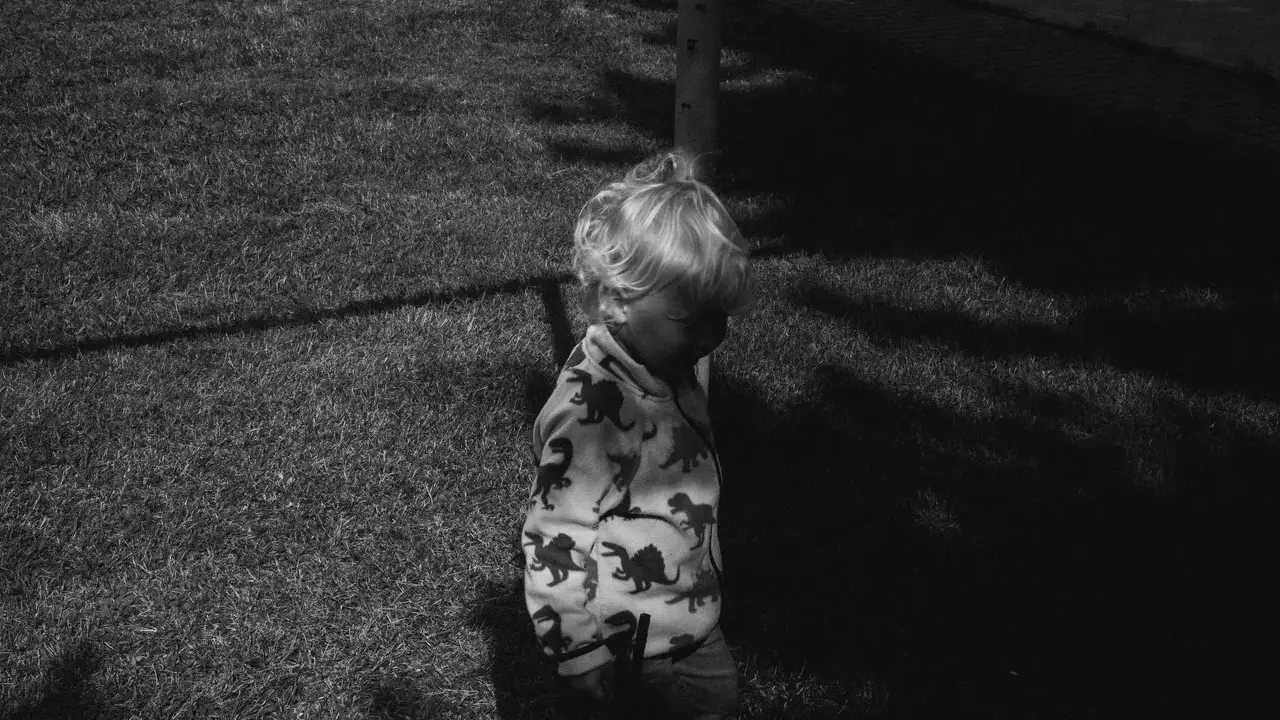
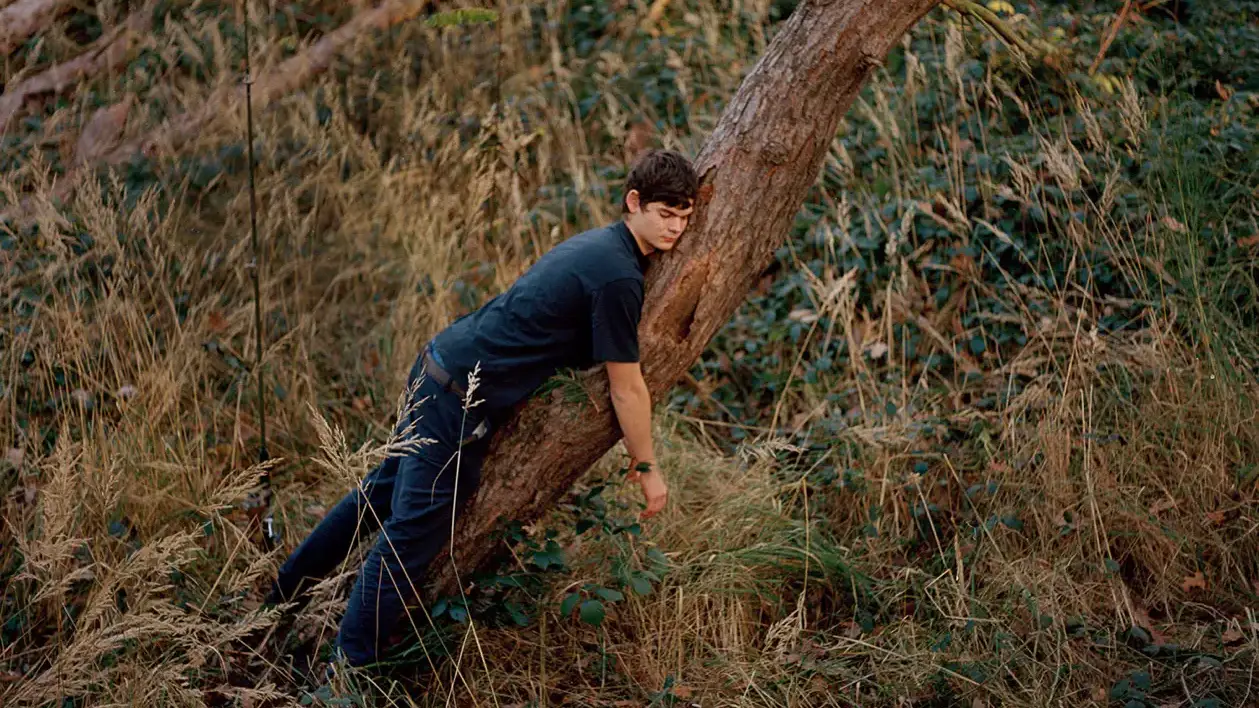
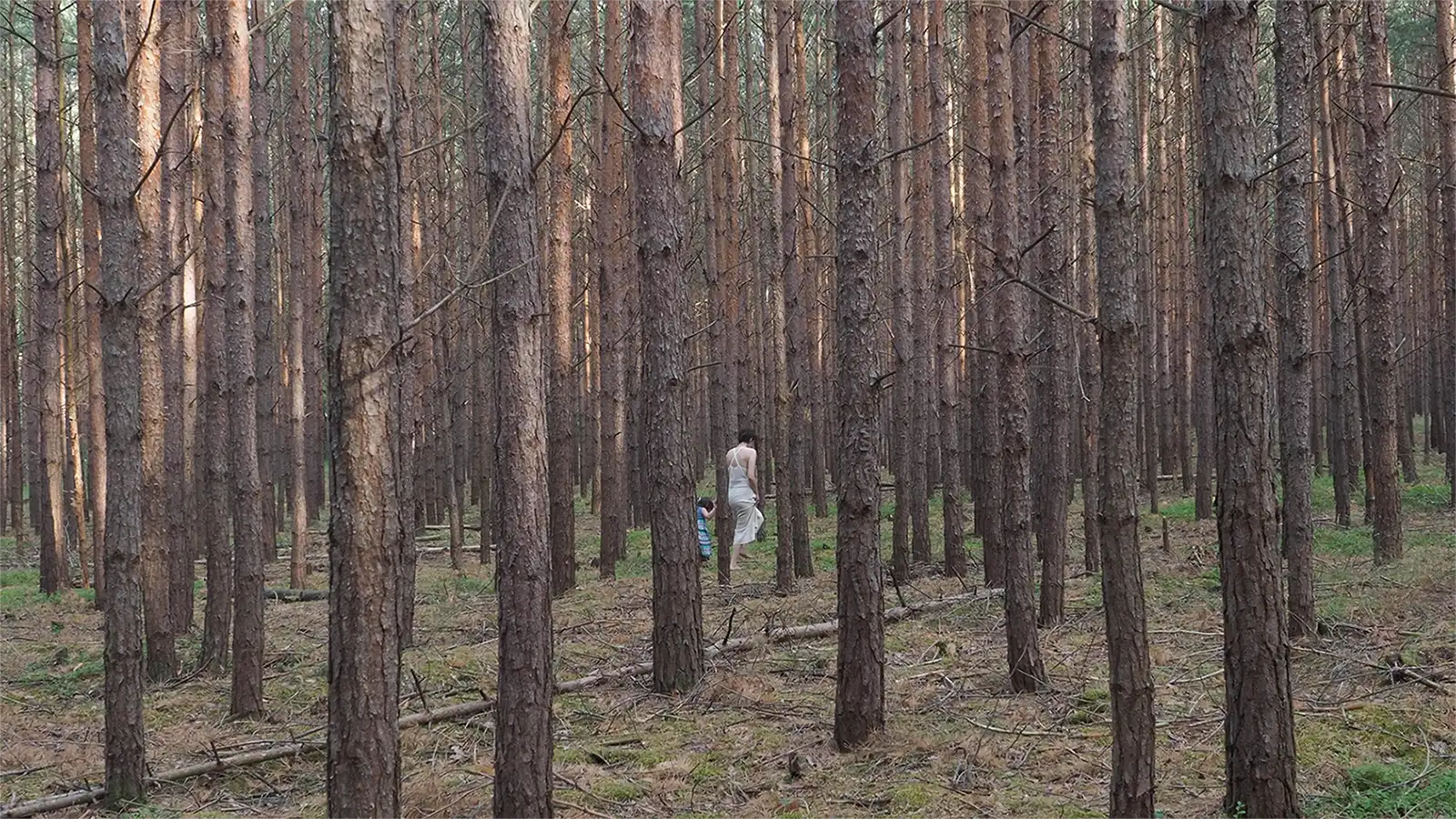
A Look Back
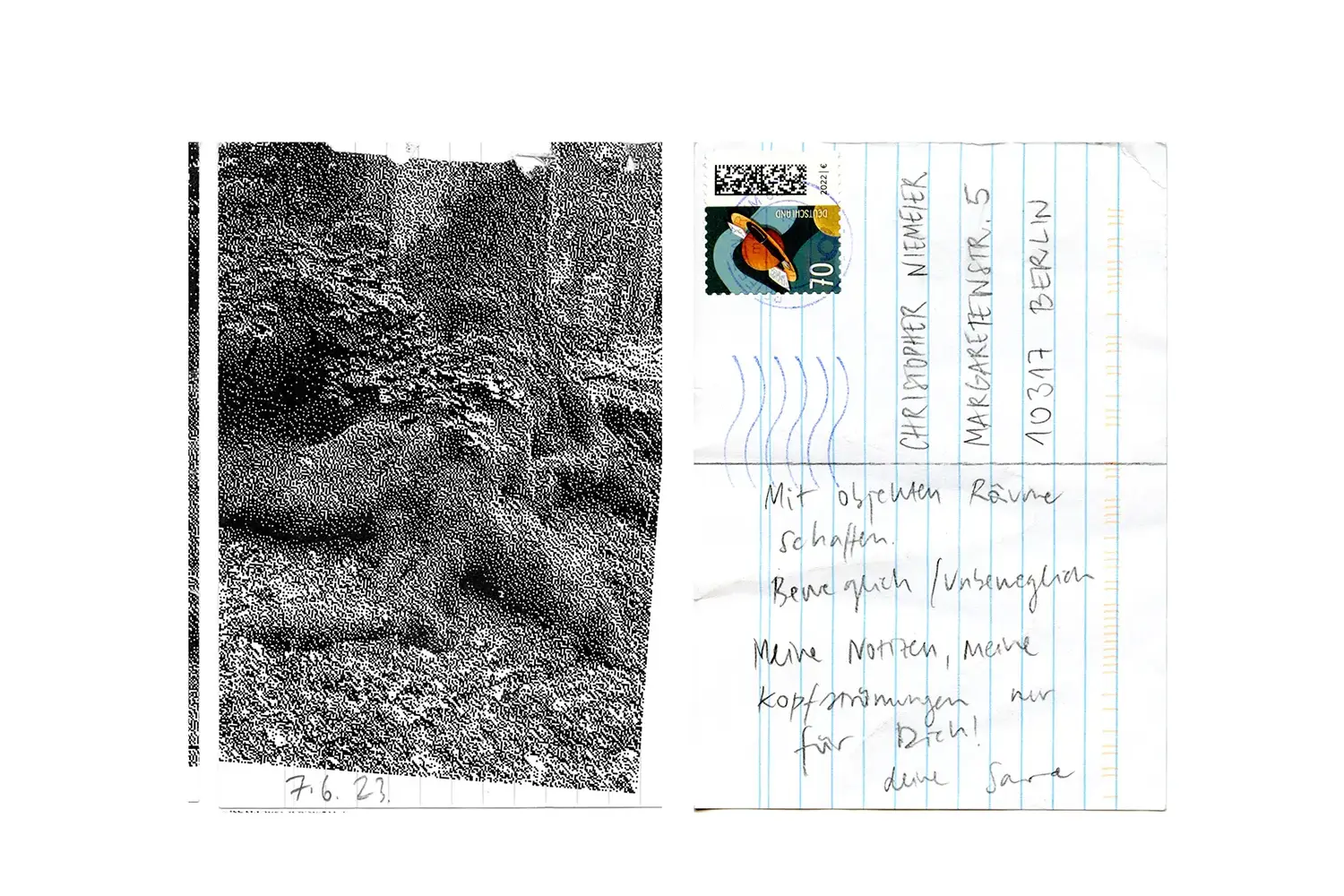
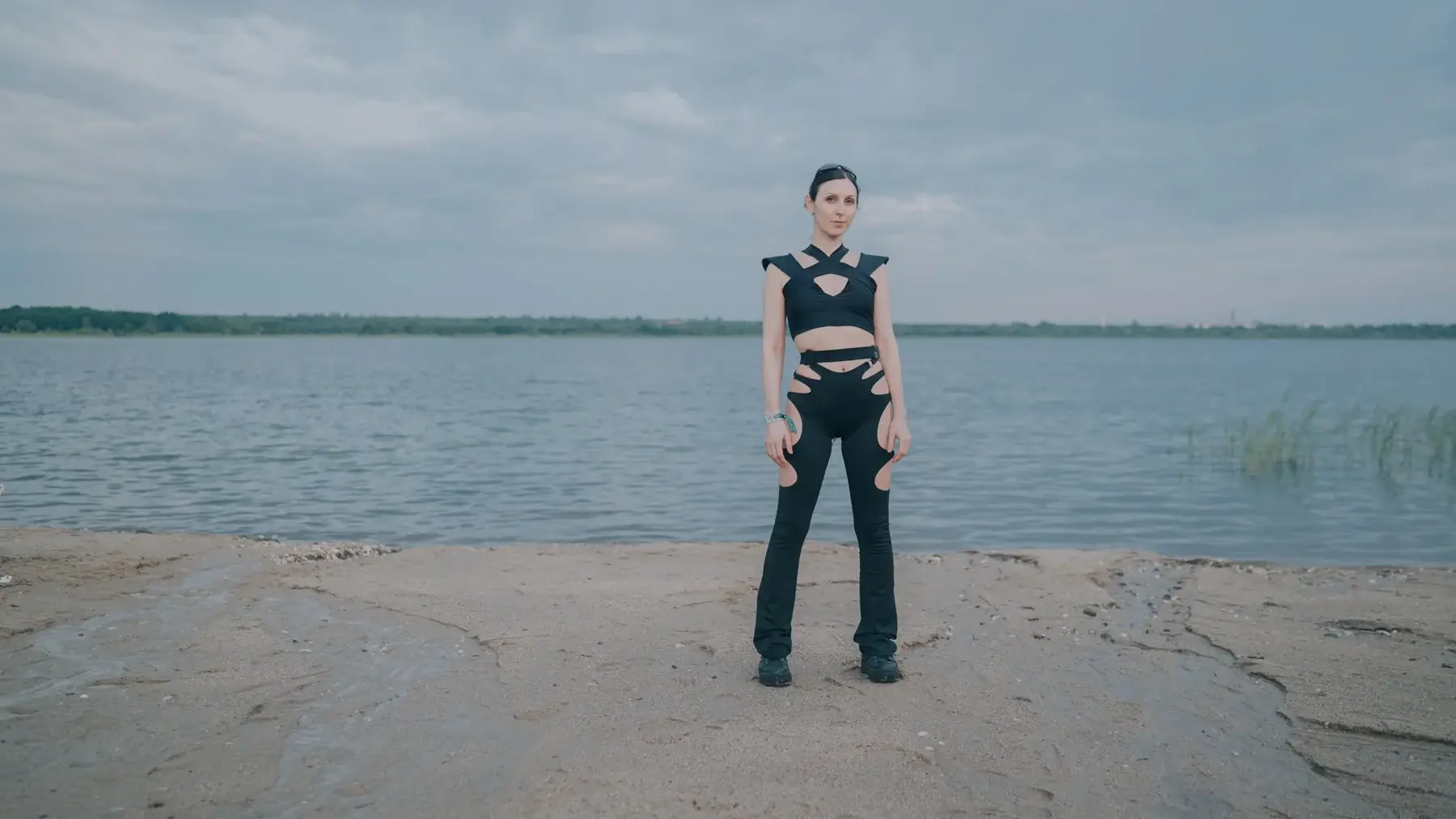
Between 2021 and 2024, two artists each year were able to undertake a four-week funded residency in the Dübener Heide as part of the Passage Art-Residency-Programme, an initiative of the Kultur- und Kunstverein Kemberg e.V. Since 2024, the Polygona Kunstverein e.V. has been responsible for organising the residencies. Selection was made via an open call for applications. Information on previous participants can be found in the ‘Former Residents’ section. During their stay, the artists lived and worked on site. The residency included a public talk (Artist Talk), which offered insights into the artists’ work, as well as a two-day workshop with local schools. The format, content and scope of the workshops were developed by the artists themselves. In 2023, we also launched the short-term residency format ‘Passage Shorts’. Between 2023 and 2024, this enabled five artists to undertake short stays in the region, for example to further develop existing projects or to research new themes. The short-term residencies were organised in cooperation with various partner institutions. Between 2021 and 2024, the Passage-Art-Residency Programme was funded by the LEADER programme of the Dübener Heide. This enabled the accommodation, fees and travel expenses of the participating artists to be covered.
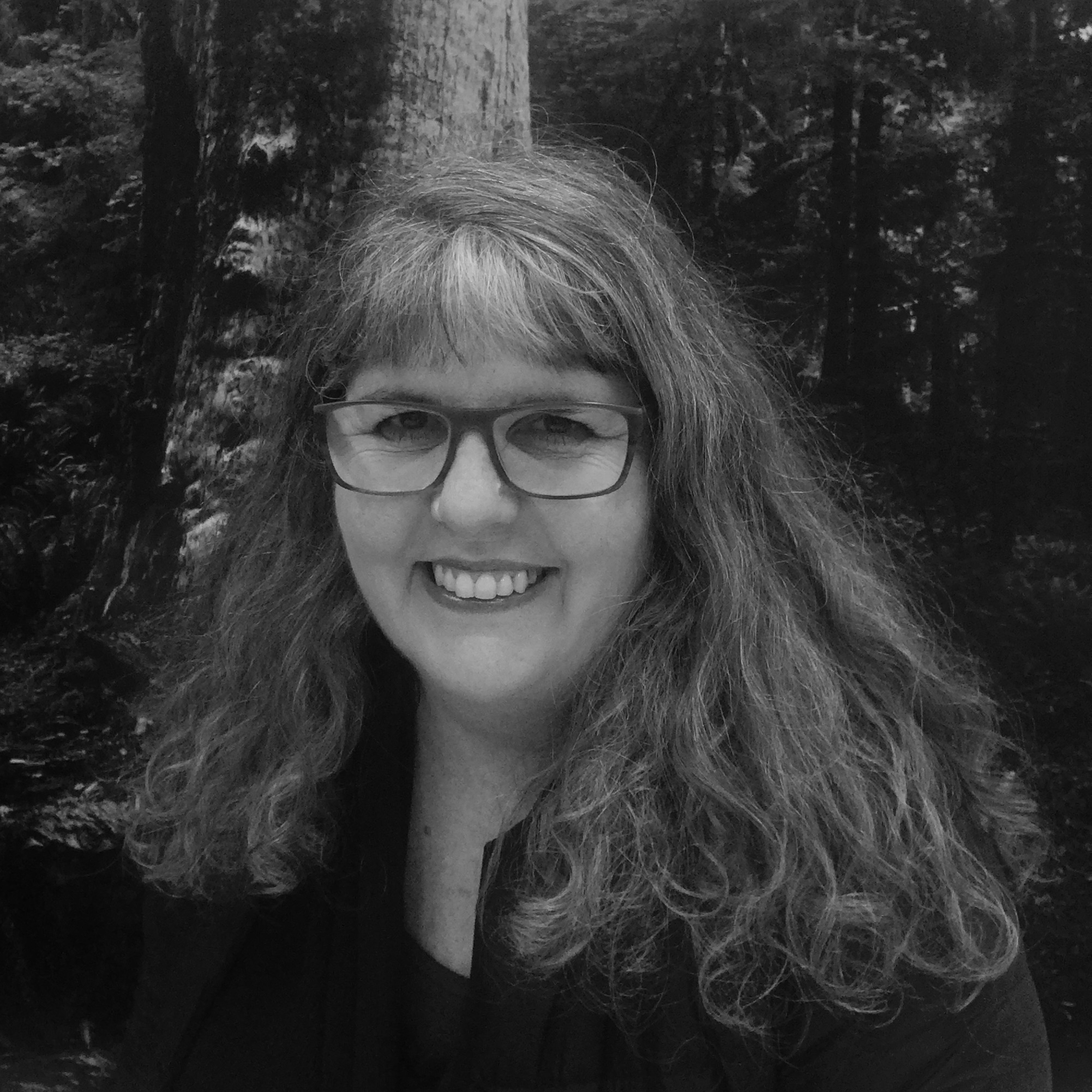
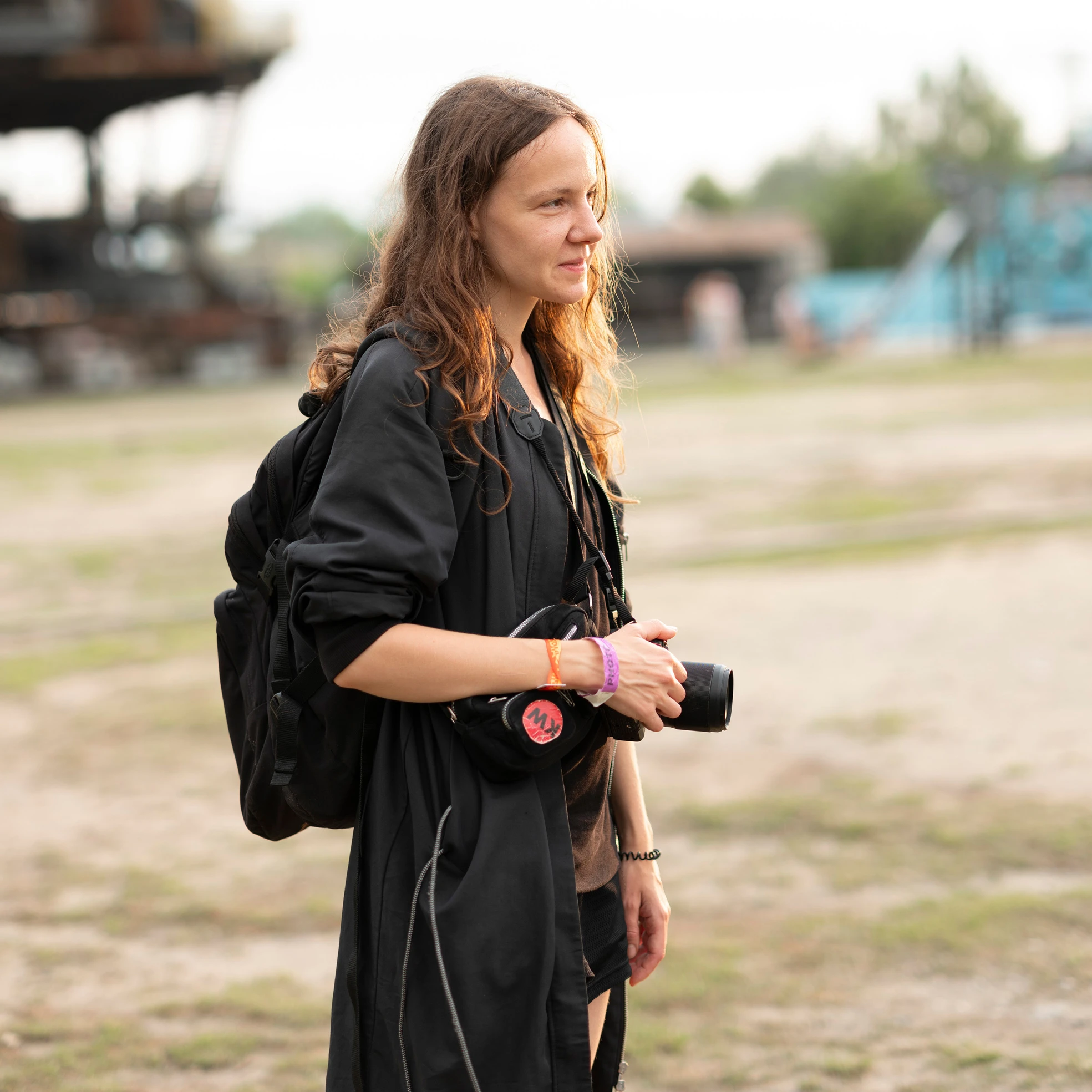
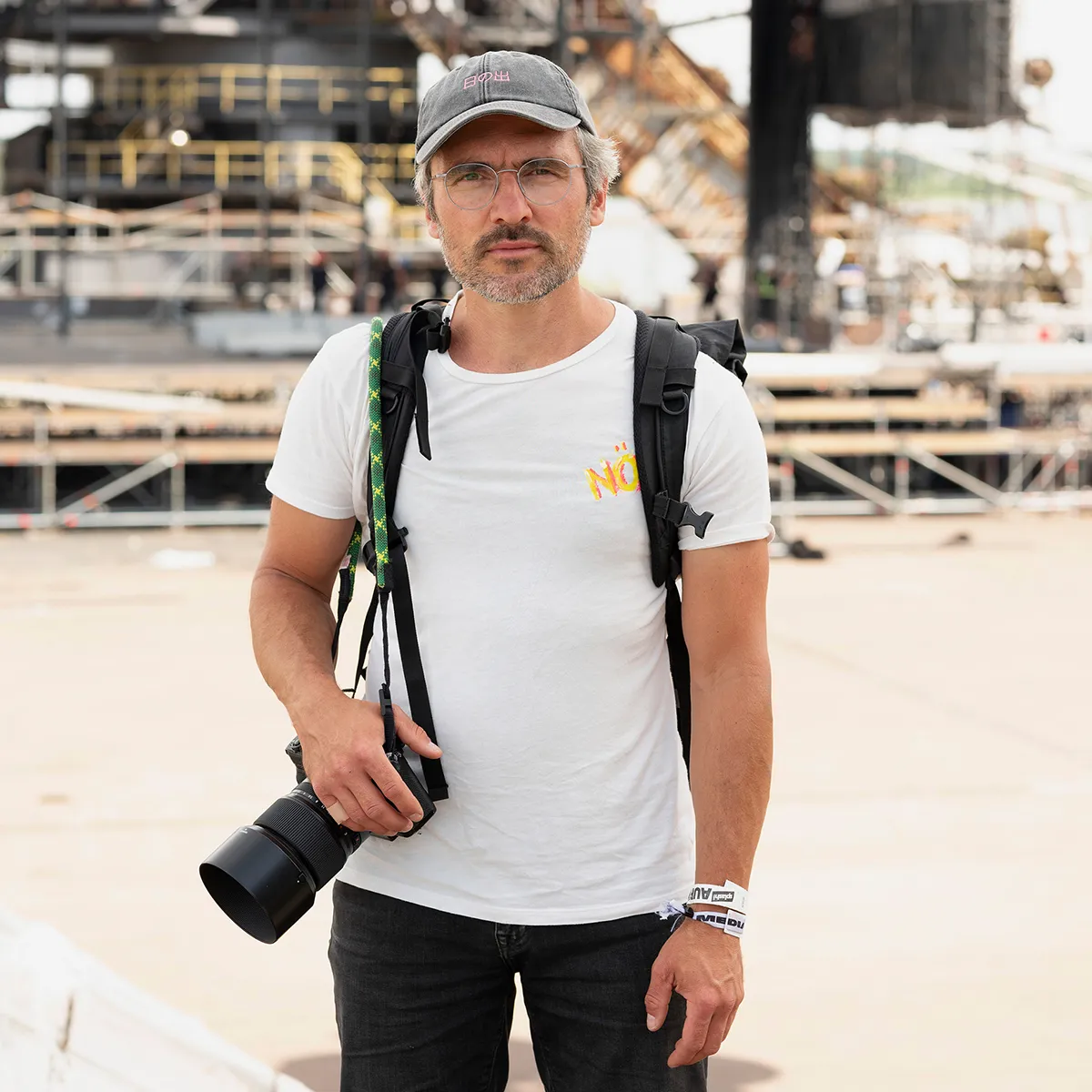
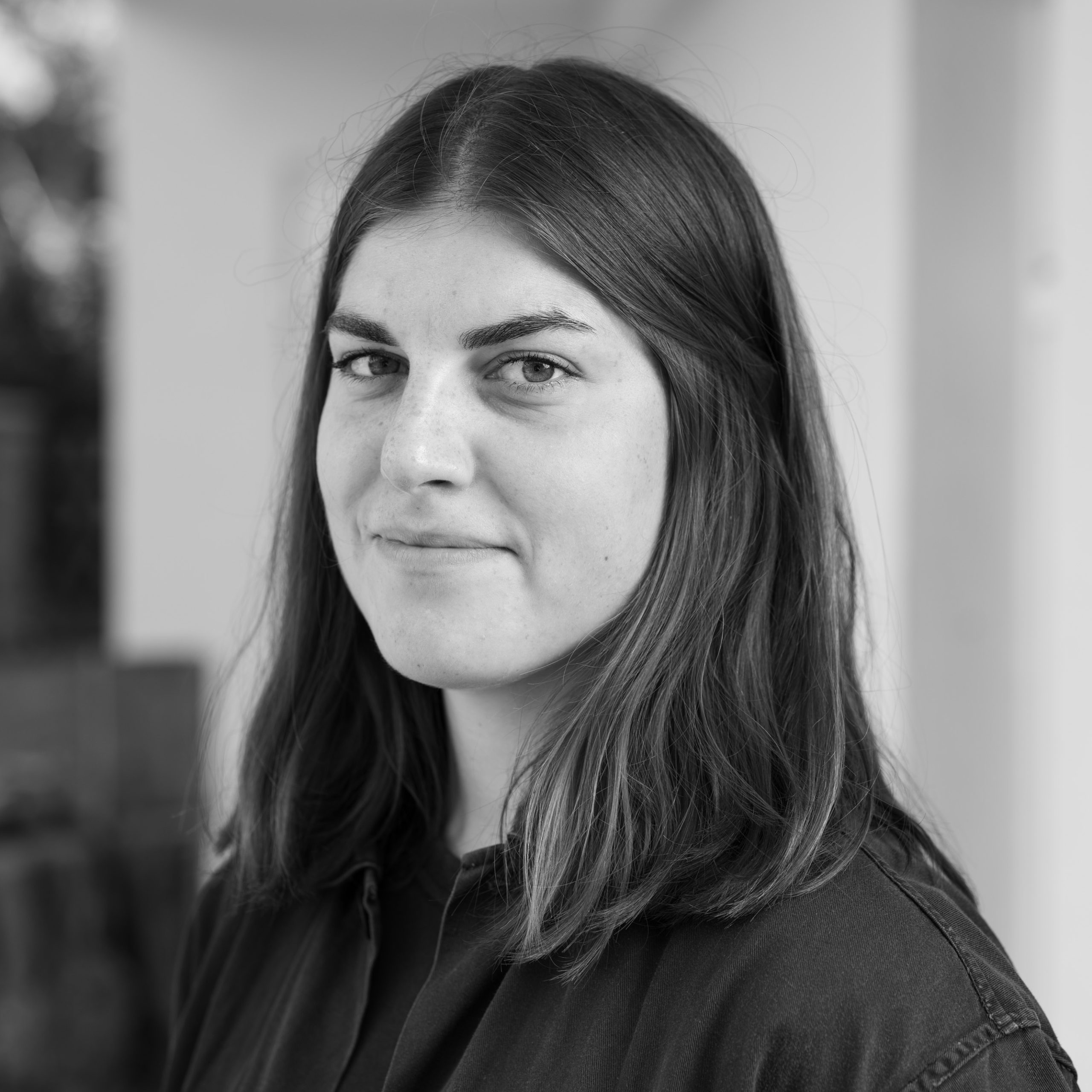
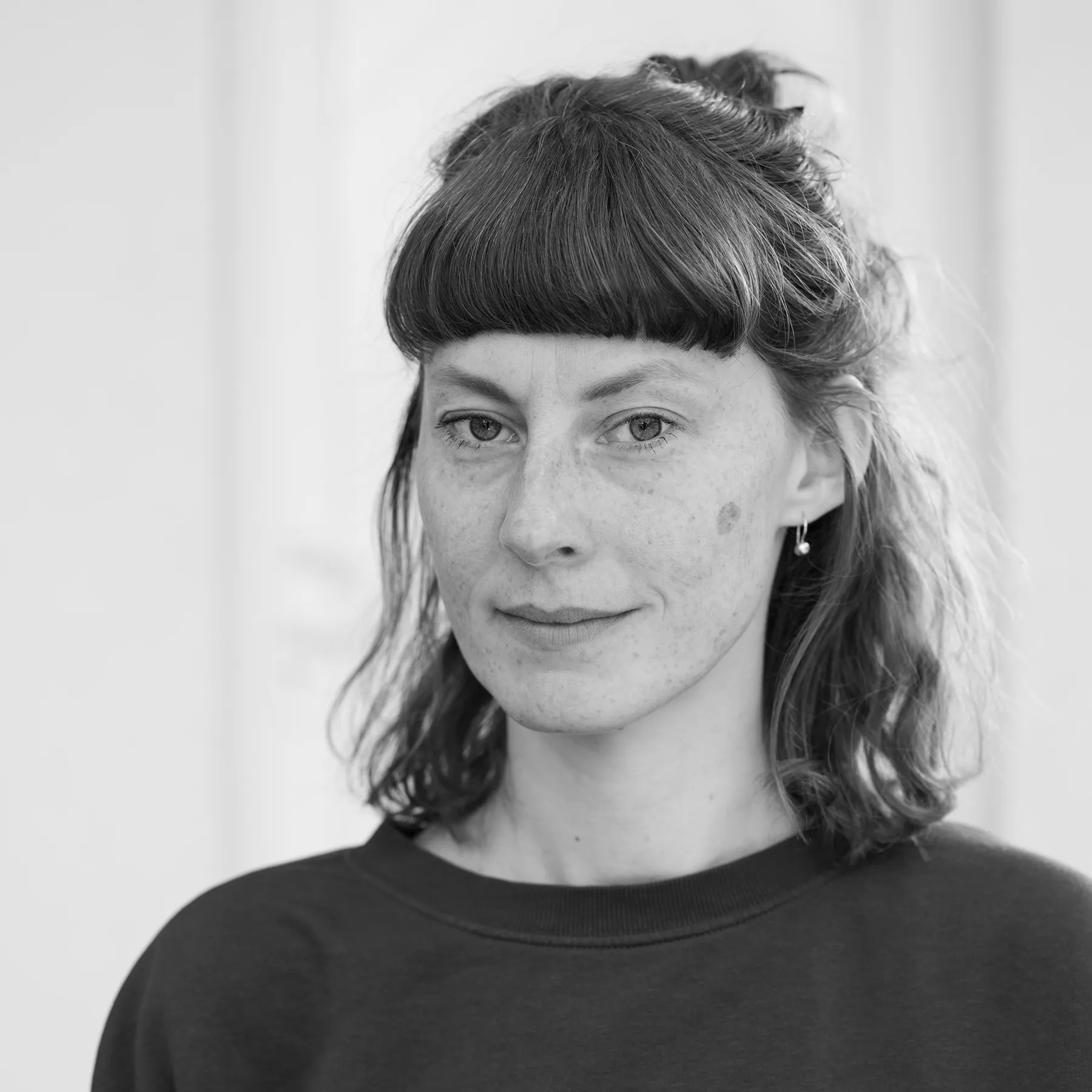
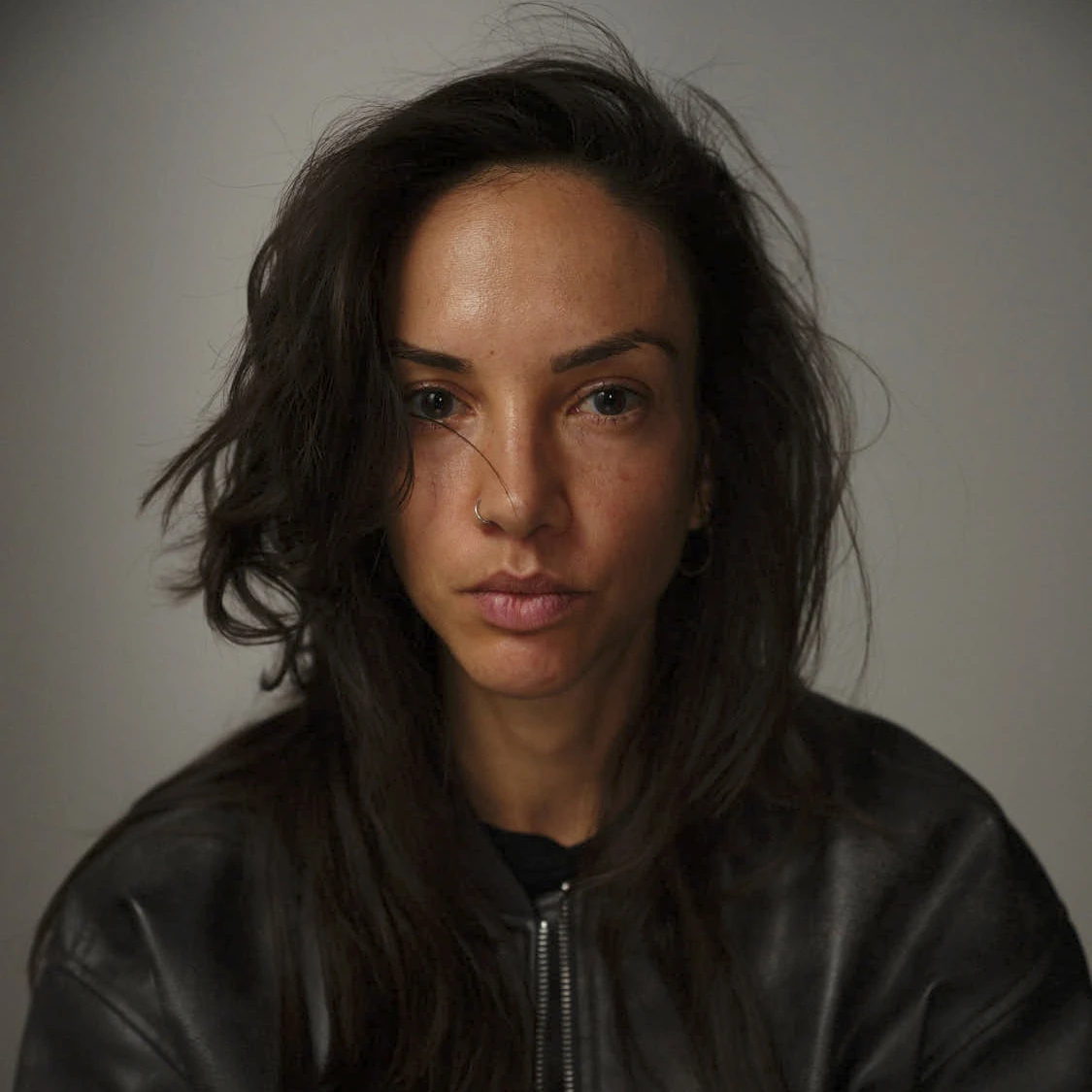
Former Residents
Outlook
Since 2025, the Passage Art-Residency-Programme has been part of the KOBRA Cultural Network Wittenberg. The KOBRA Cultural Network explores continuities, discontinuities and prospects within the cultural landscape between Fläming and the Dübener Heide, opening up new perspectives on the district of Wittenberg. The ten network partners of the KOBRA Cultural Network organise established art and cultural programmes. A central element of the network are the financially supported four-week artist residencies of the Passage Art-Residency-Programme, which will take place between 2025 and 2029 in cooperation with the KOBRA network partners. The ‘Passage Shorts’ format will also continue within this framework.
Artists With Children
Between 2022 and 2024, one of the annual residency places was specifically allocated to a female artist with a child. Mika Sperling was the first to take part in 2022, attending the residency with her three-year-old daughter. She was followed in 2023 by Sara Perovic with her eight-year-old daughter, and in 2024 by Joanna Kischka with her three-year-old son. Working with these artists has provided important insights. We are constantly working to improve the conditions for artists with children. From 2026, we aim to enable artists to bring their child with them during their stay for both residency places. Photographer and Passage Art Residency artist Laura Pannack supports the Passage Art Residency programme as a patron and is particularly committed to the interests of artists with children.